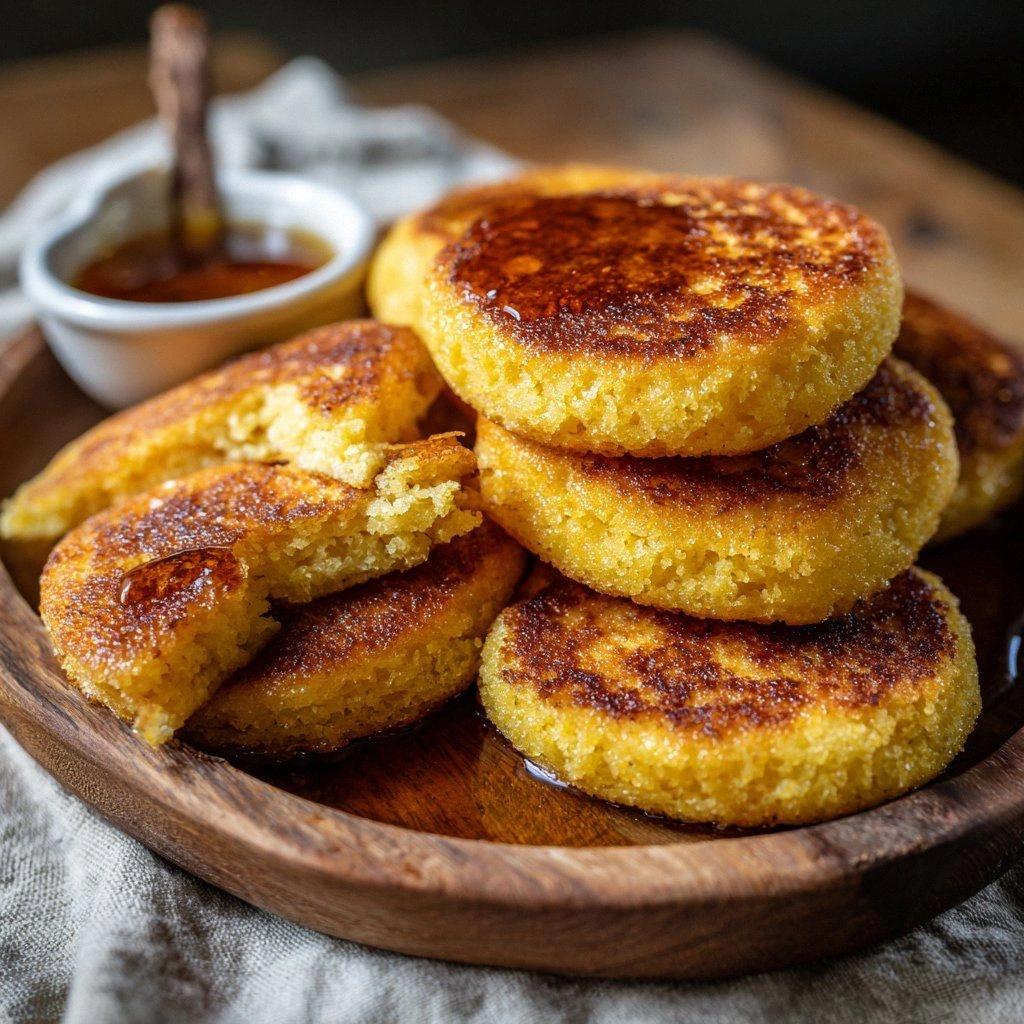
Picture this: a quiet Sunday afternoon, the kitchen lights humming, and a stubborn pizza crust that refuses to rise. I had just pulled a batch of classic dough from the fridge, only to find it flat and dense like a pancake. My friends had teased me about my “pizza disaster,” and I vowed to turn that flop into a triumph. That night, after a quick search and a few experimental tweaks, I discovered the cottage cheese crust that would change the game forever.
From the first glance, the dough looked deceptively simple—flour, yeast, a splash of cottage cheese, and a whisper of olive oil. But the scent that rose as I mixed the ingredients was the kind of savory, slightly tangy aroma that makes your stomach do a happy dance. The texture, once baked, is a buttery, airy base with a crisp edge that shatters like thin ice. Every bite releases a burst of creamy, salty flavor that feels like a hug from the inside. I swear, that sizzle when it hits the pan? Absolute perfection.
What makes this version stand out isn’t just the crust. It’s the synergy between the cottage cheese’s natural protein and the flour’s gluten structure, creating a dough that rises like a cloud yet remains tender. The sauce I use is a homemade marinara that coats the pizza like velvet, while the mozzarella melts into golden ribbons that cling to the crust. The result is a pizza that feels like a slice of heaven, but with a healthier twist that makes you feel good about every bite. I dare you to taste this and not go back for seconds.
So, if you’ve ever struggled with pizza crusts that turn out soggy or too dense, you’re not alone—and I’ve got the fix. Let me walk you through every single step—by the end, you’ll wonder how you ever made it any other way.
What Makes This Version Stand Out
- Flavor: The cottage cheese adds a subtle tang that balances the richness of the cheese and toppings, turning every bite into a complex flavor profile.
- Texture: The dough rises to a light, airy interior while the edges crisp to a golden perfection, offering a satisfying crunch that’s hard to find in traditional dough.
- Simplicity: Only a handful of pantry staples are needed, yet the outcome feels gourmet and restaurant‑quality.
- Uniqueness: The blend of cottage cheese and yeast creates a dough that is both protein‑rich and gluten‑friendly, setting it apart from other pizza variations.
- Crowd Reaction: Friends who’ve tried it say it’s “the best pizza they’ve ever had at home,” and it’s the go‑to for gatherings.
- Ingredient Quality: Fresh, high‑quality ingredients elevate the dish, but the recipe still works with everyday store finds.
- Cooking Method: The two‑stage baking—first at a lower temperature to set the crust, then a high‑heat finish—creates a caramelized, savory crust that’s a delight.
- Make‑Ahead Potential: The dough can be made a day ahead, refrigerated, and baked fresh when you’re ready.
Inside the Ingredient List
The Flavor Base
At the heart of this pizza is the marinara sauce, a simple blend of crushed tomatoes, garlic, oregano, and a touch of basil. It’s the first layer of flavor that coats the crust like a silky blanket. Skipping the sauce would leave the dough bland, but adding a splash of red wine or a pinch of sugar can deepen the tomato’s natural sweetness.
The Texture Crew
The dough itself is the star of the show. It combines 2 cups of all‑purpose flour, 1 tsp of salt, 1 tsp of sugar, 1 tbsp of active dry yeast, and 1 cup of warm water. The cottage cheese—1 cup of full‑fat or low‑fat, depending on your preference—provides moisture and protein. The egg, 1 whole, binds the mixture, while 1 tbsp of olive oil adds a subtle sheen and helps the crust brown evenly. If you’re gluten‑sensitive, replace half the flour with oat or almond flour for a lighter bite.
The Unexpected Star
That humble cup of cottage cheese might seem like a random addition, but it’s the secret to the crust’s airy yet sturdy structure. Cottage cheese’s casein protein interacts with gluten, creating a network that traps air bubbles during baking. If you’re vegan, a tofu‑based ricotta works as a substitute, though the texture will shift slightly toward denser.
The Final Flourish
Once the dough is baked, the toppings bring the pizza to life. I use a generous spread of marinara, a handful of shredded mozzarella, and a medley of pepperoni, sliced mushrooms, and roasted red peppers. A sprinkle of fresh basil and a drizzle of olive oil finish the dish. If you’re looking for a vegetarian twist, swap the pepperoni for sun‑dried tomatoes and add a handful of arugula after baking.
Everything’s prepped? Good. Let’s get into the real action.

The Method — Step by Step
- In a large mixing bowl, combine the flour, salt, sugar, and yeast. Stir until the dry ingredients are evenly distributed. This ensures the yeast is properly dispersed, which is crucial for a uniform rise. I always let the mixture sit for 5 minutes to let the yeast activate before adding liquids.
- Create a well in the center and pour in the warm water, cottage cheese, egg, and olive oil. Use a wooden spoon or a stand mixer to blend until a shaggy dough forms. The cottage cheese will make the dough slightly sticky; don’t panic—just keep mixing until it pulls away from the sides.
- Transfer the dough to a floured surface and knead for about 8–10 minutes, or until it’s smooth and elastic. The goal is to develop the gluten network without overworking it. If the dough feels too tacky, dust it lightly with flour, but avoid adding too much.
- Place the dough in a greased bowl, cover with a damp cloth, and let it rise in a warm spot for 1 hour, or until doubled in size. This is the moment of truth—if it hasn’t risen, the yeast may have died or the dough was too cold.
- Preheat your oven to 425°F (220°C). While the oven heats, punch down the dough to release excess air and divide it into two equal portions for a 12‑inch pizza.
- Roll each portion into a 12‑inch circle on a parchment‑lined baking sheet. The dough should be thin enough to feel like a sheet of paper but thick enough to hold toppings. This step is critical for achieving that airy interior.
- Spread a thin layer of marinara sauce over the dough, leaving a ½‑inch border. Sprinkle the shredded mozzarella evenly, then arrange your chosen toppings. I like pepperoni, mushrooms, olives, and roasted red peppers for a classic mix.
- Bake for 12–15 minutes, or until the crust is golden and the cheese has melted into bubbly, golden ribbons. Keep an eye on the edges; they should turn a deep amber without burning.
- Remove the pizza, let it cool for 2 minutes, then add a drizzle of olive oil and a handful of fresh basil. Slice with a pizza cutter and serve hot. The steam that escapes will carry the aroma of fresh herbs and melted cheese, making the kitchen smell incredible.
That’s it — you did it. But hold on, I’ve got a few more tricks that’ll take this to another level.
Insider Tricks for Flawless Results
The Temperature Rule Nobody Follows
Many home bakers bake at a single temperature, but the secret is a two‑stage bake. Start at 425°F (220°C) for the first 10 minutes to set the crust, then raise the heat to 475°F (245°C) for the last 5 minutes to caramelize the edges. I’ve found this method gives a crust that’s both airy inside and crisp outside.
Why Your Nose Knows Best
As the pizza bakes, the aroma changes from a sweet, tomato‑rich scent to a savory, almost buttery note as the cheese melts. Trust your nose; if it smells toasty and slightly nutty, the pizza is ready. I’ve once opened the oven too early, and the result was soggy dough that never crisped.
The 5‑Minute Rest That Changes Everything
After baking, let the pizza rest for exactly 5 minutes on a wire rack. This allows the steam to escape, preventing a soggy base, and lets the cheese set so it doesn’t slide off when you cut. I swear, that 5‑minute pause is the difference between a mess and a masterpiece.
Use a Pizza Stone
Preheat a pizza stone in the oven for at least 30 minutes before baking. The stone’s heat distributes evenly, giving the crust a professional, restaurant‑style crunch. If you don’t have a stone, a baking steel works just as well.
Don’t Skimp on the Olive Oil
A tablespoon of olive oil in the dough and a drizzle before serving adds shine and a subtle fruity flavor. Skipping it can leave the crust dry and dull. I’ve experimented with a splash of extra‑virgin olive oil for a Mediterranean twist.
Creative Twists and Variations
This recipe is a playground. Here are some of my favorite ways to switch things up:
Spinach & Feta Delight
Swap the mozzarella for crumbled feta and fold fresh spinach into the dough before baking. The feta’s tang pairs beautifully with the cottage cheese, while spinach adds a burst of color.
BBQ Chicken Slice
Top the pizza with shredded rotisserie chicken tossed in barbecue sauce, red onions, and a handful of cilantro. The smoky sauce complements the mild cottage cheese crust.
Veggie Supreme
Use a medley of roasted vegetables—zucchini, eggplant, bell peppers, and cherry tomatoes. Finish with a sprinkle of oregano and a drizzle of balsamic glaze after baking.
Breakfast Pizza
After baking, top the pizza with a cracked egg, a sprinkle of chives, and a dash of hot sauce. The egg’s runny yolk creates a creamy sauce that pairs with the crust’s lightness.
Cheeseburger Pizza
Add ground beef seasoned with salt, pepper, and garlic powder, then top with cheddar cheese, pickles, and a dollop of ketchup. It’s like a cheeseburger in pizza form.
Chocolate & Nut Dessert Pizza
For a sweet twist, spread a thin layer of dark chocolate ganache over the dough, sprinkle chopped hazelnuts, and bake until the chocolate sets. Serve with a scoop of vanilla ice cream.
Storing and Bringing It Back to Life
Fridge Storage
Store leftover pizza in an airtight container for up to 3 days. Keep the crust on a paper towel to absorb moisture, preventing it from becoming soggy.
Freezer Friendly
Wrap each slice tightly in plastic wrap, then place in a freezer bag. Freeze for up to 2 months. Reheat directly from frozen to preserve crispness.
Best Reheating Method
Preheat a skillet over medium heat and place the pizza slice skin side down. Cover for 2 minutes, then flip and add a splash of water to the pan, covering it with a lid to steam the top. This technique restores the crust’s crunch and the cheese’s melt.
And there you have it: a pizza that feels like a culinary revelation. From the first bite to the last crumb, this cottage cheese crust pizza delivers on flavor, texture, and wow factor. If you’ve ever struggled with pizza crusts that turn out soggy or too dense, you’re not alone—and I’ve got the fix. Keep experimenting, share your results, and enjoy the delicious journey.