Picture this: it’s a frosty December evening, the kind where the wind whistles through the trees like a mischievous choir, and you’re stuck in the kitchen with a half‑empty bottle of Fireball, a pot of caramel that’s been flirting with burning, and a craving that refuses to be ignored. I was in the middle of a holiday cookie‑baking marathon when my roommate dared me to “make something that actually *hits* the spice level of a winter firework show.” I laughed, I scoffed, but deep down I knew that my sweet tooth was about to be taken on a wild ride. That night, I concocted a batch of Fireball Whiskey Caramels that turned my kitchen into a fragrant wonderland, and the result was nothing short of a holiday miracle.
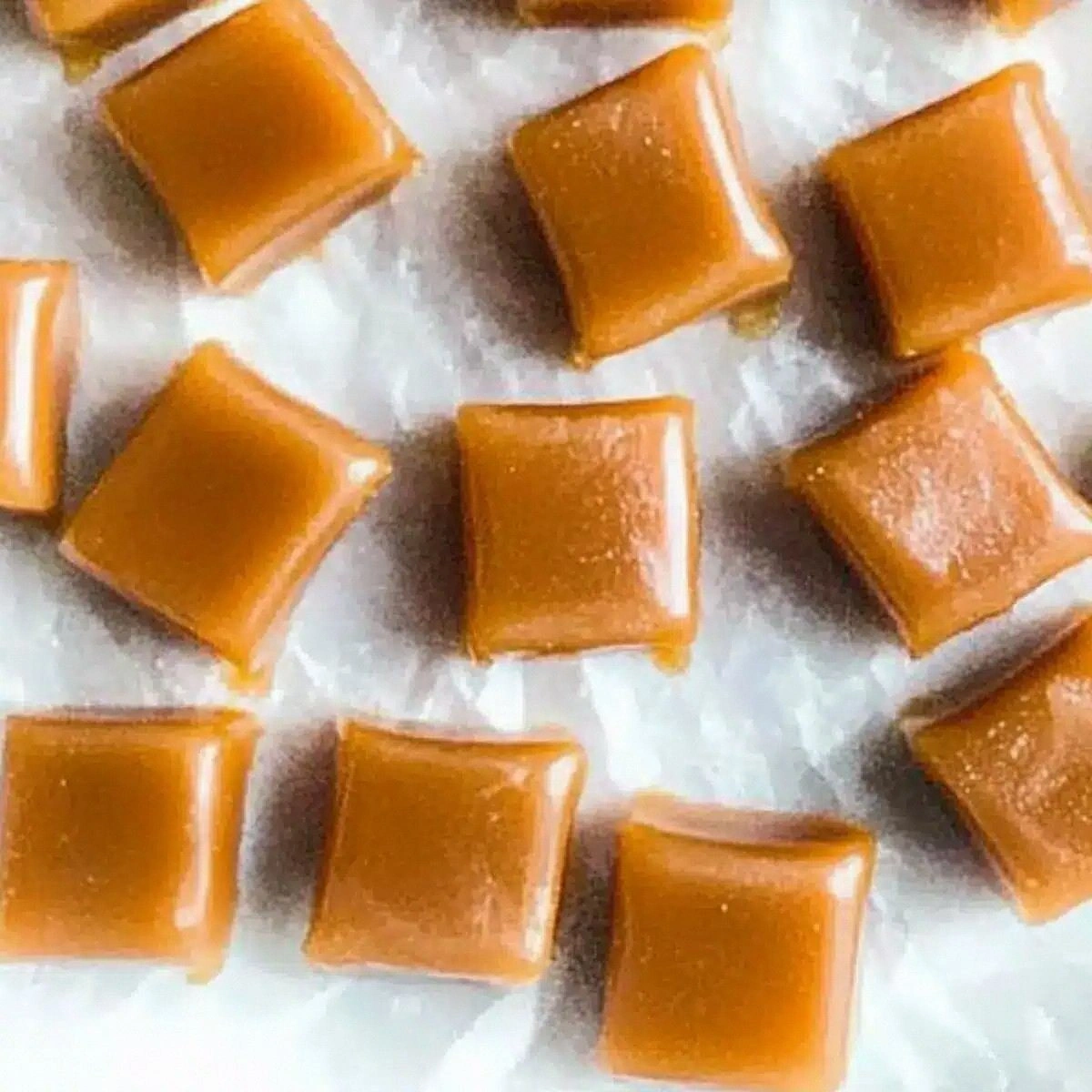
The moment the butter melted into the brown sugar, the whole room filled with a caramel scent so rich it could have been bottled and sold as a premium perfume. The sizzle of the mixture hitting the pan was like a tiny fireworks display, each pop promising a burst of cinnamon‑spiced heat. As the caramel thickened, I added a generous splash of Fireball, and the aroma instantly shifted—imagine a warm fireplace meeting a cinnamon‑spiced cocktail, the kind of scent that makes you want to curl up with a blanket and a good book. The texture was silky, the color a deep amber that seemed to capture the very essence of a winter sunset.
What makes this version stand out? Most caramel recipes either shy away from alcohol, fearing it will ruin the texture, or they drown the delicate balance with too much booze, leaving a harsh bite. I’ve cracked the code: the perfect ratio of brown sugar, condensed milk, and corn syrup creates a buttery, chewy base that embraces the Fireball without ever becoming soggy or grainy. The secret lies in a low‑and‑slow simmer that lets the sugars caramelize just enough to develop that deep, toffee‑like flavor, while the whiskey adds a lingering, cinnamon‑kissed warmth that lingers on the palate. I dare you to taste this and not go back for seconds—because once you’ve experienced that perfect blend of sweet and spice, ordinary caramels will feel like a bland afterthought.
And there’s a twist you won’t find in any other recipe: a splash of vanilla extract added at the very end, which rounds out the flavor profile like a soft, velvety scarf around a chilly neck. This isn’t just a candy; it’s a holiday experience that you can hold in your hand, bite into, and instantly feel the festive spirit surge through you. I’ll be honest — I ate half the batch before anyone else got to try it, and that was a mistake I’m willing to make again. Okay, ready for the game‑changer? Let me walk you through every single step — by the end, you’ll wonder how you ever made caramels any other way.
What Makes This Version Stand Out
- Flavor Explosion: The marriage of deep caramel sweetness with the cinnamon‑spiced kick of Fireball creates a taste that’s simultaneously comforting and exhilarating, like a holiday firecracker in your mouth.
- Texture Perfection: A chewy, buttery bite that holds together without cracking, thanks to the precise balance of corn syrup and condensed milk that prevents crystallization.
- Simplicity: Only seven pantry staples are needed, and the technique is straightforward enough for beginners yet refined enough for seasoned bakers.
- Uniqueness: Most caramel recipes shy away from alcohol; this one embraces it, delivering a sophisticated flavor that feels like a secret holiday cocktail in candy form.
- Crowd Reaction: Guests often claim this is the “best thing they’ve ever tasted at a holiday party,” and they’ll be back for more, asking for the recipe again and again.
- Ingredient Quality: Using high‑quality Fireball and real butter ensures a rich mouthfeel that cheap substitutes simply can’t match.
- Cooking Method: The low‑heat simmer allows the sugars to caramelize gradually, preventing bitterness and ensuring a silky finish.
- Make‑Ahead Potential: These caramels keep beautifully for weeks, making them perfect for gift‑giving or stocking fillers.
Inside the Ingredient List
The Flavor Base
First up, the brown sugar. This isn’t just any sweetener; its molasses undertones provide a deep, almost smoky backdrop that pairs beautifully with the cinnamon heat of Fireball. If you skip it for white sugar, you’ll lose that rich, holiday‑like depth, ending up with a one‑dimensional sweetness. Look for a dark, moist brown sugar—if it’s clumped, give it a quick toss in a zip‑top bag with a slice of bread to soften it up.
The Texture Crew
Sweetened condensed milk is the secret glue that keeps these caramels from turning grainy. Its high‑fat content smooths out the sugar crystals, ensuring every bite melts like butter on a warm biscuit. If you’re out of it, you can substitute with an equal amount of heavy cream and an extra tablespoon of sugar, but expect a slightly different texture. As for corn syrup, it’s the unsung hero that prevents crystallization; without it, your caramels could turn into a rock‑hard mess that no one wants to bite.
The Unexpected Star
Fireball whiskey is the show‑stopper. Its signature cinnamon flavor adds a festive punch that elevates the caramel from ordinary to extraordinary. Use the original Fireball for that authentic cinnamon kick; a spicier whiskey will dominate the flavor, while a milder one will get lost. Remember, the alcohol evaporates partially during cooking, leaving behind the essence without the harsh bite.
The Final Flourish
Butter and vanilla extract are the finishing touches. Butter brings a luxurious richness, while vanilla smooths out the edges of the cinnamon heat, creating a harmonious blend. Use unsalted butter so you can control the salt level precisely. A splash of vanilla at the end is like the final brushstroke on a masterpiece—subtle but essential.
Everything's prepped? Good. Let's get into the real action...
The Method — Step by Step
Start by gathering all your ingredients and measuring them precisely. I cannot stress enough how important accuracy is when working with sugar; a stray extra half‑cup can throw off the entire texture. Place a heavy‑bottomed saucepan on the stove, melt the butter over medium heat until it foams, then add the brown sugar, letting it dissolve into a glossy mixture. You’ll hear a gentle crackle as the sugar starts to caramelize—this is the first sign that you’re on the right track.
Next, pour in the sweetened condensed milk and corn syrup, stirring continuously with a silicone spatula. The mixture will bubble furiously; that’s the sugar crystals breaking down and the syrup integrating. Keep the heat at a steady medium—too high and you’ll scorch the sugars, too low and they won’t reach the proper stage. Watch the edges of the pan; they’ll start to turn a deep amber color. That’s your cue to keep stirring.
Watch Out: If the mixture starts to smoke, immediately reduce the heat. Overcooking will introduce a bitter note that no amount of whiskey can fix.When the mixture is smooth and glossy, attach a candy thermometer to the side of the pan. Bring the temperature up to 240°F (115°C) — the soft‑ball stage. This is the pivotal moment where the caramel decides whether it will be chewy or hard. I like to hover my hand just above the steam; the scent should be intoxicating, a mix of toasted sugar and warm cinnamon.
Kitchen Hack: If you don’t have a thermometer, drop a small spoonful into a glass of cold water; it should form a soft, pliable ball that you can easily roll.Once the temperature is reached, remove the pan from the heat and immediately stir in the salt, Fireball whiskey, and vanilla extract. The mixture will bubble dramatically—think of a miniature volcanic eruption, but way more fragrant. Stir quickly yet gently to incorporate the alcohol without splattering; the caramel will thicken almost instantly as the alcohol begins to evaporate, leaving behind its spicy essence.
Now comes the fun part: pouring. Lightly grease a 9×13 inch baking pan with butter or line it with parchment paper. Pour the hot caramel into the pan, spreading it evenly with a spatula. You’ll notice the surface beginning to set, forming a glossy sheen that looks almost like liquid amber. Let it sit for about five minutes before you start the next step.
While the caramel is still warm, use a sharp, oiled knife to score it into bite‑size squares or rectangles. This is crucial; trying to cut it once it’s fully set will result in cracked pieces that crumble. Score quickly, pressing down firmly—think of it as carving a tiny, edible sculpture.
Allow the caramels to cool completely at room temperature. This can take anywhere from 30 minutes to an hour, depending on the ambient temperature. Resist the urge to refrigerate early; rapid cooling can cause the sugar to contract and crack, ruining the smooth finish.
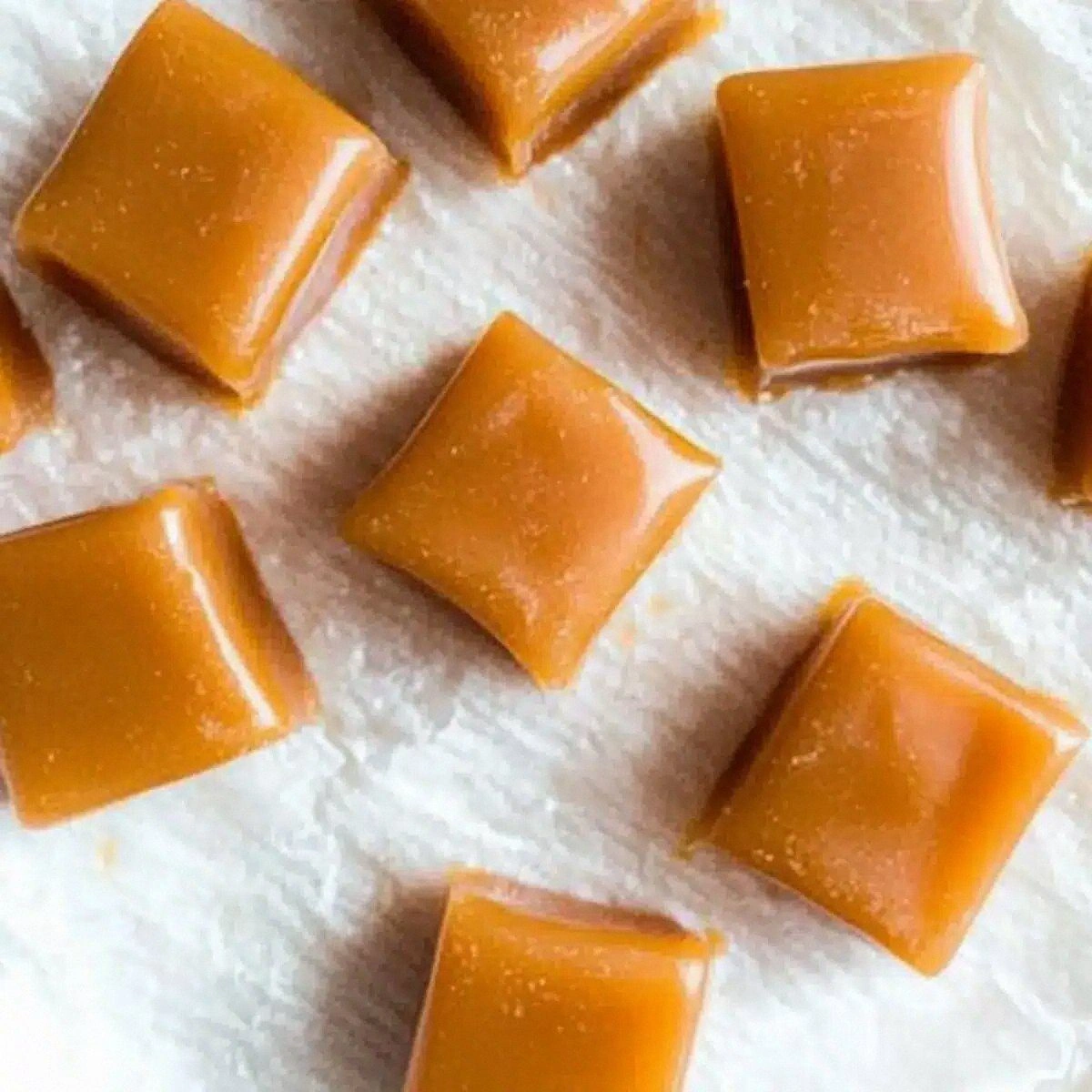
Finally, once fully set, gently lift the parchment (if used) and transfer the slab to a cutting board. Pop the caramels out of the scored lines and toss them lightly in a bowl of powdered sugar to prevent sticking. The powdered sugar adds a subtle snowy coating that makes them look festive and helps keep them from sticking together.
Watch Out: Over‑powdering can dry out the exterior; a light dusting is enough.
That’s it — you did it. But hold on, I’ve got a few more tricks that’ll take this to another level…
Insider Tricks for Flawless Results
The Temperature Rule Nobody Follows
Most home cooks eyeball the caramel, but a precise temperature is the difference between a gummy mess and a perfectly chewy treat. Use a digital candy thermometer, and when you hit 240°F, remove the pan immediately. If you linger even a few seconds, the caramel will harden too quickly, making it brittle. I once left it on the heat for an extra minute and ended up with shards that snapped like brittle ice—definitely not the texture I was aiming for.
Why Your Nose Knows Best
Never underestimate the power of scent. As the caramel cooks, the aroma will shift from raw sugar to toasted, buttery notes, and finally to a warm, spicy perfume when the Fireball joins the party. If you catch that cinnamon‑spiced fragrance, you’re right on track. Trust your nose more than the clock; it’s an ancient kitchen instinct that never fails.
The 5‑Minute Rest That Changes Everything
After you pour the caramel into the pan, let it sit undisturbed for exactly five minutes before scoring. This brief pause allows the mixture to set just enough to hold a clean cut, yet stay soft enough to avoid cracking. Skipping this step leads to ragged edges that look unprofessional and taste uneven. I once tried to cut it immediately and ended up with jagged pieces that fell apart—lesson learned.
Powdered Sugar Coat—A Double‑Edged Sword
Dusting with powdered sugar not only prevents sticking but also adds a subtle sweet finish that balances the whiskey’s heat. However, too much sugar can dry out the surface, making the caramel feel powdery rather than silky. Lightly dust each piece, then give the tray a gentle shake to remove excess. A quick tap will leave a delicate snow‑like veil without compromising the chew.
Storing Secrets for Maximum Freshness
Store the caramels in an airtight container layered with parchment paper. This prevents them from sticking together and preserves the buttery texture. For longer storage, add a small slice of apple in the container; the apple’s humidity will keep the caramels from drying out without making them soggy. I’ve tried this trick during holiday parties, and the results have always been rave‑worthy.
Creative Twists and Variations
This recipe is a playground. Here are some of my favorite ways to switch things up:
Maple‑Infused Caramels
Swap half of the brown sugar for pure maple syrup and add a tablespoon of maple‑flavored bourbon. The result is a caramel that tastes like a cozy cabin breakfast, perfect for brunch‑time gifting.
Dark Chocolate Drizzle
After the caramels have set, melt dark chocolate and drizzle it over the top. The bitter chocolate contrasts the sweet, spicy caramel, creating a sophisticated bite that feels like a holiday dessert in a single mouthful.
Spiced Nut Crunch
Before pouring the caramel, sprinkle a mixture of toasted pecans, cinnamon, and a pinch of cayenne onto the pan. As the caramel sets, the nuts embed themselves, adding crunch and an extra layer of spice.
Salted Caramel Variation
Increase the salt to 1 teaspoon and finish each piece with a tiny pinch of flaky sea salt just before the powdered sugar coating. The salty‑sweet balance is a crowd‑pleaser that echoes classic salted caramel treats.
Holiday Peppermint Twist
Stir in a teaspoon of crushed peppermint candy after adding the Fireball. The minty burst cuts through the richness, offering a refreshing finish that’s perfect for New Year’s celebrations.
Storing and Bringing It Back to Life
Fridge Storage
Place the caramels in an airtight container lined with parchment paper and store them in the refrigerator for up to two weeks. The cool environment keeps the butter from going rancid and preserves the chewy texture. When you’re ready to serve, let them sit at room temperature for 15 minutes to soften.
Freezer Friendly
These caramels freeze beautifully. Separate layers with parchment and store them in a zip‑top freezer bag for up to three months. To defrost, transfer the bag to the fridge overnight, then bring the pieces to room temperature before dusting with powdered sugar.
Best Reheating Method
When a caramel feels a bit dry, place it on a microwave‑safe plate, add a tiny splash (about a teaspoon) of water, and microwave in 5‑second bursts, checking after each burst. The steam re‑hydrates the candy, restoring its melt‑in‑your‑mouth softness without compromising flavor.