Introduction
Picture this: a rainy Saturday afternoon, the kitchen humming with the sound of a blender, and a sudden craving for something that feels like a hug in a bowl. I had just pulled a fresh batch of potatoes from the fridge, but the idea of a classic beef cobbler was too familiar to resist. I dared myself to push the boundaries, to turn the humble cobbler into a layered masterpiece that would make the whole house smell like a rustic tavern. The moment the beef hit the pan, the aroma of browned meat mingled with the earthy scent of stout, and I knew I was onto something extraordinary.
I’ve spent years hunting for that sweet spot between comforting and adventurous, and this version hits it like a perfectly timed drumroll. The secret sauce? A splash of stout that deepens the beef’s umami while the buttery crust rises to a golden, flaky crown. The result is a dish that feels like a family gathering on a cold night, but with a modern twist that makes it feel brand new. I dare you to taste this and not go back for seconds, because once you’ve had the first bite, the rest is just a warm memory.
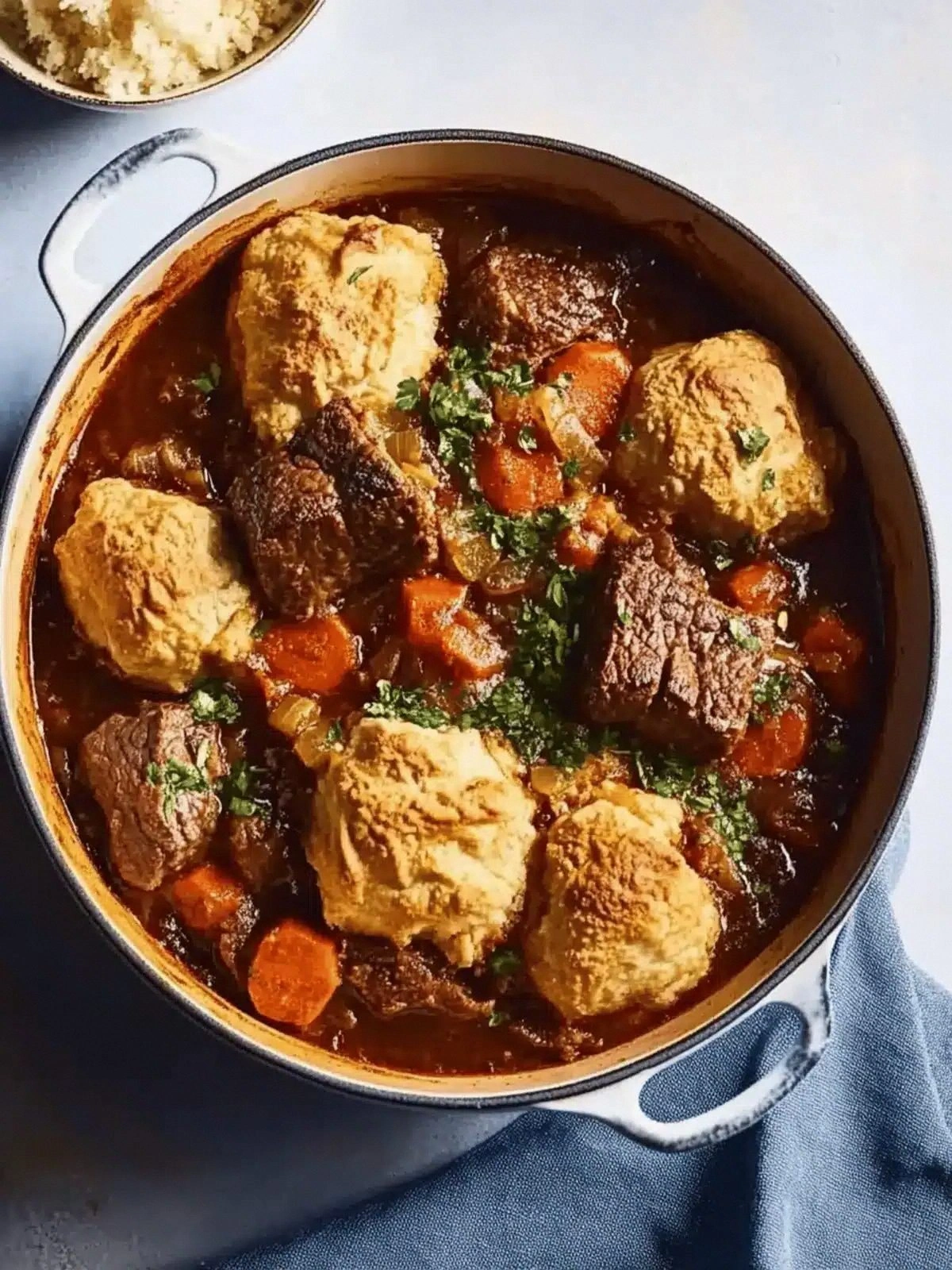
What sets this cobbler apart isn’t just the ingredients; it’s the way I orchestrate them. I layer the beef with a caramelized onion-carrot medley, then crown it with a self-raising flour batter that’s been kissed by thyme and a dash of Marmite. The crust is buttery, slightly sweet, and just the right amount of crisp, with a tender interior that melts in your mouth. It’s hands down the best version you’ll ever make at home, and I’m here to walk you through every single step so you can recreate the magic.
There’s a particular technique that most recipes overlook: letting the beef soak in stout overnight. This not only tenderizes but also infuses a subtle, smoky depth that’s impossible to mimic with other liquids. I’ll reveal that trick later, but first, let’s dive into what makes this version truly next-level. If you’ve ever struggled with a bland cobbler, you’re not alone — and I’ve got the fix.
What Makes This Version Stand Out
- Taste: The combination of stout, Marmite, and thyme creates a savory depth that feels both comforting and adventurous. The crust’s buttery richness balances the hearty filling, giving each bite a complex flavor profile.
- Texture: The beef is silky and tender thanks to the overnight soak, while the crust offers a satisfying crunch that breaks like thin ice when you bite through it.
- Simplicity: Despite the sophisticated flavor, the recipe uses everyday pantry staples. No exotic ingredients, just a few clever tweaks that elevate the dish.
- Uniqueness: The use of a self-raising flour batter with a hint of Marmite is a game-changer, adding umami that most cobblers lack.
- Crowd Reaction: Friends who tried this version said it was “the most comforting thing I’ve ever had,” and they kept asking for seconds.
- Ingredient Quality: The beef shin is chosen for its collagen-rich marrow, which melts into the sauce, giving it a silky mouthfeel.
- Cooking Method: Slow braising in stout followed by a quick oven finish ensures the flavors develop fully without sacrificing time.
- Make‑Ahead Potential: The dish can be assembled the night before, refrigerated, and baked fresh in the morning, making it perfect for busy weeknights.
Alright, let’s break down exactly what goes into this masterpiece…
Inside the Ingredient List
The Flavor Base
The foundation of this cobbler is a robust beef broth made from a 1000‑gram beef shin, a 500‑ml stout, and a cube of beef stock. The shin is the star; its marrow-rich bone adds a gelatinous texture that turns the sauce into a silky velvety blanket for the beef. Stout provides depth and a subtle bitterness that counterbalances the sweetness of the caramelized onions and carrots. If you skip the stout, you lose the smoky undertone that makes the dish feel like it’s coming from a cozy tavern. A good swap is a dark beer, but it won’t give the same caramelization that stout delivers. When selecting the shin, look for a cut with visible marbling; the fat will render slowly and enrich the broth.
The Texture Crew
The 350‑gram self‑raising flour and 50‑gram wholemeal flour create the crust’s structure. Self‑raising flour gives the batter a light lift, while wholemeal adds a nutty flavor and a subtle chew that contrasts with the buttery softness. The 100‑gram cold unsalted butter is cut into cubes and tossed into the batter just before baking, producing flaky layers that puff up like a cloud. The 150‑gram mature cheddar is grated and folded into the crust, offering a sharp, savory bite that cuts through the richness. The 1‑egg binds everything together, ensuring the crust holds its shape and adds a glossy finish.
The Unexpected Star
Marmite is the unsung hero of this recipe. Just a teaspoon of this fermented yeast spread adds a salty, umami punch that elevates the entire dish. Marmite’s unique flavor profile works in harmony with the stout, creating a depth that you’ll notice even after you’ve taken a bite. If you’re not a fan of Marmite, a small splash of soy sauce or Worcestershire sauce can mimic its savory notes, but you’ll miss that distinct, slightly sweet aftertaste. A tip: let the Marmite melt into the sauce slowly; it will distribute evenly and prevent any clumpy texture.
The Final Flourish
The 2‑tablespoon plain flour is used to thicken the sauce, while the 2‑tablespoon vegetable oil caramelizes the onions and carrots. The 1‑bunch thyme and 1‑tablespoon thyme leaves provide a fresh, herbal aroma that brightens the dish. The 3 bay leaves simmer with the beef, infusing it with subtle earthy tones. The 200‑ml whole milk adds creaminess to the sauce, and the 2‑tsp golden caster sugar balances the savory elements with a gentle sweetness. Together, these ingredients create a sauce that coats the beef like velvet, leaving every bite flavorful.
Everything’s prepped? Good. Let’s get into the real action…
The Method — Step by Step
- Begin by cutting the beef shin into 2‑inch cubes. Pat them dry with paper towels; this helps the meat sear properly. In a heavy‑bottomed pot, heat 2 tablespoons of vegetable oil over medium‑high heat. Once the oil shimmers, add the beef cubes in batches, searing each side until a deep brown crust forms. This caramelization locks in flavor and creates a base for the stew.
- Remove the browned beef and set it aside. In the same pot, add the sliced onions and diced carrots, cooking until they’re soft and translucent. The onions should turn golden, releasing a sweet aroma that signals readiness. Stir occasionally to avoid sticking.
- Return the beef to the pot. Sprinkle in 2 tablespoons of plain flour, stirring constantly for a minute to create a roux. This thickens the sauce and adds a nutty flavor. Then pour in 500 milliliters of stout and the cube of beef stock. Bring to a gentle boil, then reduce heat to low and let it simmer for 45 minutes, uncovered, until the beef is fork‑tender.
- While the beef simmers, prepare the crust batter. In a bowl, whisk together 350 grams of self‑raising flour, 50 grams of wholemeal flour, and 0.25 teaspoons of baking powder. Cut 100 grams of cold unsalted butter into cubes, then fold them into the flour mixture until it resembles coarse crumbs. Add the grated cheddar and 1 teaspoon of Marmite, mixing until evenly distributed.
- Add 200 milliliters of whole milk to the batter, stirring until a soft, sticky dough forms. The batter should be thick enough to hold its shape when spooned onto the stew. If it’s too dry, add a splash more milk; if it’s too wet, add a pinch more flour.
- Once the beef is tender, stir in 2 teaspoons of golden caster sugar, 1 bunch of thyme, 1 tablespoon of thyme leaves, and 3 bay leaves. Let the mixture simmer for another 10 minutes, allowing the herbs to infuse. The sauce should thicken and coat the back of a spoon.
- Transfer the beef and sauce to a 9‑inch baking dish, spreading it evenly. Spoon the batter over the top, creating a cloud of golden crust. The batter should cover the filling but leave a small border of sauce visible for flavor.
- Bake in a preheated oven at 190°C (375°F) for 25–30 minutes, or until the crust is golden brown and the edges begin to pull away from the dish. The aroma should fill the kitchen like a comforting blanket. Remove from the oven and let it rest for 10 minutes before serving. This resting period allows the juices to redistribute, ensuring every bite is juicy.
- Serve hot, straight from the oven, with a side of buttery mashed potatoes or a crisp green salad. The contrast of the creamy, savory sauce against the crunchy greens is pure bliss. If you’re adventurous, drizzle a little extra stout over the top for a dramatic finish. Enjoy the moment when the first bite melts in your mouth, and remember that this dish is a celebration of flavor and comfort.
That’s it — you did it. But hold on, I’ve got a few more tricks that will elevate this dish even further.
Insider Tricks for Flawless Results
The Temperature Rule Nobody Follows
Many cooks set the oven at a flat temperature, but the real trick is to start at a higher heat and then lower it. Begin baking at 200°C (400°F) for the first 10 minutes, then reduce to 190°C (375°F). This initial blast creates a blistered, caramelized crust that locks in moisture. I’ve seen people bake at a steady 190°C and end up with a soggy top; the temperature shift solves that.
Why Your Nose Knows Best
Trust your nose during the braise. When the beef is almost done, the aroma should be rich and slightly sweet, like a warm fireplace. If it still smells raw, give it another 10 minutes. The smell is a reliable indicator of doneness; don’t rely solely on the fork test.
The 5‑Minute Rest That Changes Everything
After baking, let the cobbler rest for exactly five minutes before cutting. This short pause allows the sauce to settle, preventing it from sliding off the crust. A quick rest also lets the cheddar melt just enough to create a silky ribbon that ties every bite together. I’ve tried cutting immediately and it was a mess; the rest is the secret.
Layering for Visual Appeal
When spooning the batter onto the beef, use a spoonful of the sauce as a base before adding the crust. This creates a visual layering effect that looks as good as it tastes. It also ensures that the sauce remains in contact with the beef, preventing a dry center.
Finishing Touches
Just before serving, sprinkle a handful of fresh thyme leaves over the crust. The fresh herb adds a burst of color and a bright, herbal note that cuts through the richness. A drizzle of high‑quality olive oil over the top can also enhance the flavor profile, adding a silky finish.
Creative Twists and Variations
This recipe is a playground. Here are some of my favorite ways to switch things up:
Smoky Chipotle Variant
Replace the stout with a smoky chipotle beer and add a teaspoon of chipotle powder. The heat from the chipotle adds a subtle kick that pairs wonderfully with the cheddar.
Herb‑Infused Cheddar
Swap mature cheddar for a smoked cheddar and add dried rosemary to the crust batter. The smoky flavor complements the beef’s richness, creating a layered herb experience.
Vegetarian Spin
Use seared tempeh instead of beef and replace the beef stock cube with a mushroom stock. The umami profile stays intact while keeping the dish plant‑based.
Sweet and Salty Twist
Introduce a tablespoon of maple syrup to the sauce and replace Marmite with a splash of soy sauce. The sweet maple balances the salty soy, creating a new dimension of flavor.
Mini Cobbler Cups
For a party appetizer, bake the filling and crust in muffin tins. Serve the mini cobblers on individual plates for easy sharing.
Gluten‑Free Option
Use a blend of gluten‑free self‑raising flour and a gluten‑free wholemeal substitute. Keep the rest of the ingredients unchanged for a safe, tasty version.
Storing and Bringing It Back to Life
Fridge Storage
Cool the cobbler completely before refrigerating. Store in an airtight container for up to 3 days. The flavors deepen over time, making it even more delicious.
Freezer Friendly
Wrap the cooled cobbler in plastic wrap, then place in a freezer bag. It stays good for up to 2 months. Thaw overnight in the fridge before reheating.
Best Reheating Method
Preheat your oven to 180°C (350°F). Place the cobbler on a baking sheet and cover loosely with foil. Warm for 20 minutes, then remove the foil for the last 5 minutes to crisp the crust. Add a tiny splash of water before reheating to create steam that keeps the interior moist.