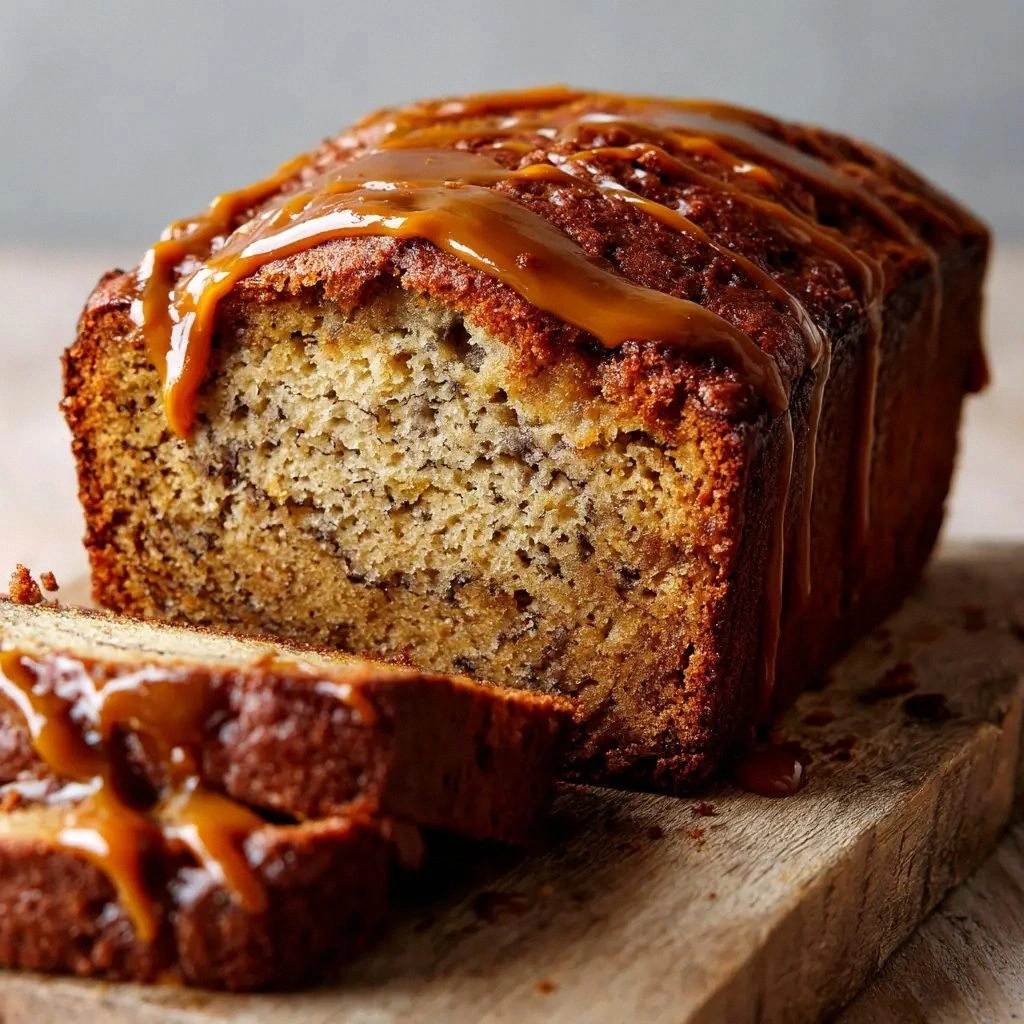
I remember the night I was scrambling to salvage a dessert that had gone horribly wrong. The oven had betrayed me, the batter had been too wet, and the banana bread—my favorite comfort food—was a soggy, flavorless mess. I stared at the ruined loaf, feeling the sting of disappointment like a burnt cookie bite. That moment became the spark that lit the fire for the ultimate Dulce de Leche Ba, a banana bread that marries caramelized sweetness with a crisp, golden crust. If you’ve ever tasted a banana bread that feels like a hug in a loaf form, you’ll know the difference between ordinary and extraordinary.
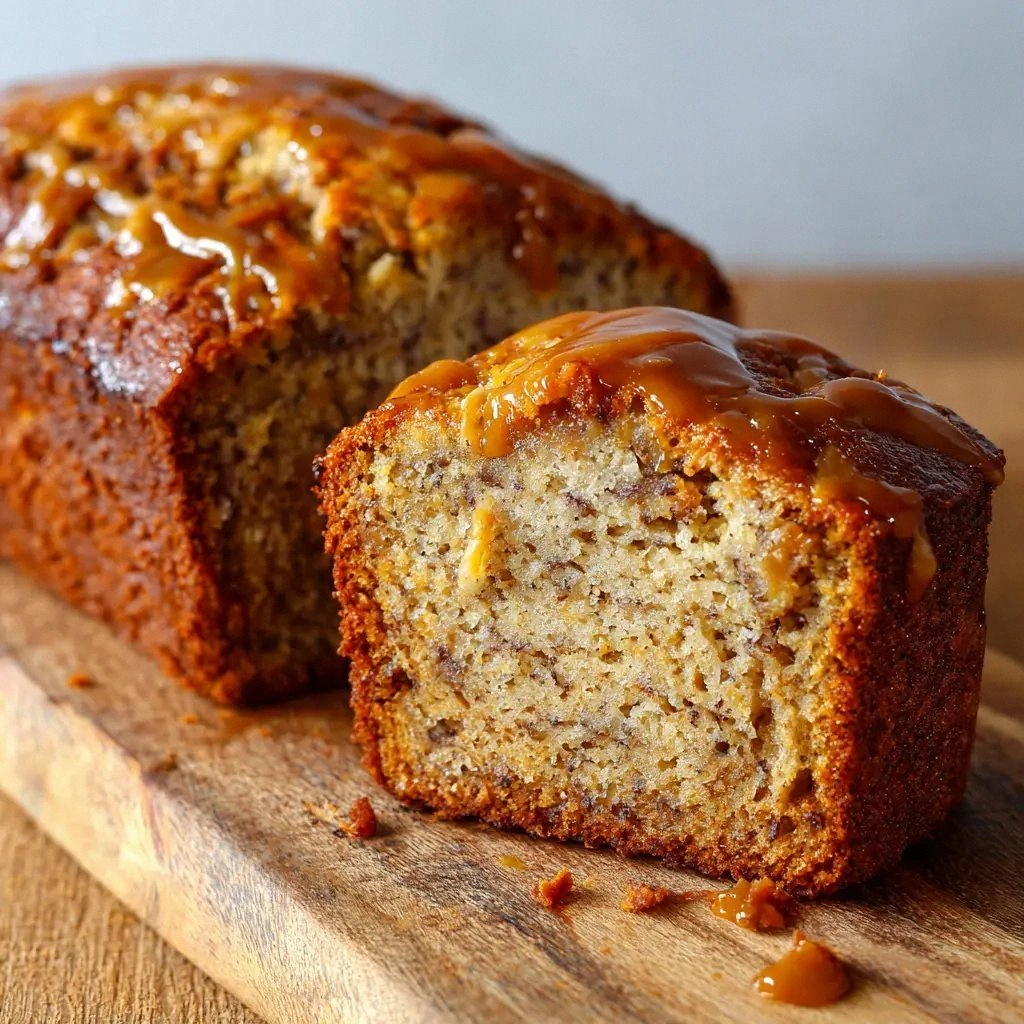
Picture this: a steaming loaf emerging from the oven, its crust crackling like a fine jazz solo, the aroma of ripe bananas and molten dulce de leche swirling through the kitchen air. The sound of the timer ticking down feels like a countdown to bliss. When you slice into it, the interior is moist and airy, the banana flavor bright, and the dulce de leche coats each crumb like a velvety glaze. The first bite is a symphony—sweet, buttery, with a hint of caramel, followed by a subtle, savory note from the dark brown sugar. The texture is a dance between the soft crumb and the crunchy edge, each bite leaving a lingering warmth that stays with you.
What makes this version stand out is not just the combination of flavors but the meticulous attention to detail in every step. I dared you to taste this and not go back for seconds, and you’ll see why. I’ve trimmed the batter to a perfect balance of wet and dry, used a blend of sugars that caramelizes without burning, and introduced a subtle twist with the neutral oil that gives the loaf a silky mouthfeel. Most recipes get this completely wrong by either overbaking or underbaking, but the result here is a loaf that stays moist for days and has a crust that crisps up beautifully when reheated. And if you’re worried about the dulce de leche sticking, I’ve included a small trick to keep it from seeping into the batter.
The secret sauce? A little bit of baking soda and a dash of sea salt that bring the flavors together like a well-rehearsed band. I’ll be honest—I ate half the batch before anyone else got a chance to taste it, and the rest of the kitchen smelled like a caramel dream. The next time you bake, picture yourself pulling this out of the oven, the whole kitchen smelling incredible, and the first slice already melting in your hand. This is hands down the best version you’ll ever make at home, and I’m ready to walk you through every single step—by the end, you’ll wonder how you ever made it any other way.
What Makes This Version Stand Out
- Flavor: The combination of ripe bananas, dulce de leche, and dark brown sugar creates a depth of sweetness that is both comforting and luxurious. The caramel notes mingle with the banana’s natural earthiness for a balanced taste profile.
- Texture: The batter’s ratio of butter to oil gives a moist crumb that feels almost airy, while the crust crisps up to a golden finish that shatters like thin ice when you bite into it.
- Ingredient Quality: Using overripe bananas and a high‑quality dulce de leche ensures that each component delivers maximum flavor. The dark brown sugar adds complexity that simple white sugar can’t match.
- Ease of Execution: The recipe is straightforward enough for beginners yet sophisticated enough to impress seasoned bakers. No complicated techniques, just precise measurements and timing.
- Versatility: It can be served warm or at room temperature, and it pairs wonderfully with coffee, tea, or a splash of milk for a decadent breakfast.
- Make‑Ahead Friendly: The loaf can be prepared the night before, wrapped tightly, and baked fresh in the morning—perfect for busy schedules.
Alright, let’s break down exactly what goes into this masterpiece…
Inside the Ingredient List
The Flavor Base
The 1.5 cups of overripe bananas are the heart of this loaf. They provide natural sweetness, moisture, and a subtle earthiness that balances the rich dulcification from the dulce de leche. Skipping bananas would leave the loaf dry and flat; the banana’s natural sugars help the batter rise and create that tender crumb. If you’re in a pinch, you can substitute with 1 cup of mashed pumpkin for a seasonal twist, but the banana’s unique flavor is irreplaceable.
The Sweetener Crew
The 0.75 cups of dulce de leche act as both a sweetener and a binding agent, infusing the loaf with a caramelized depth that vanilla alone can’t achieve. The 0.75 cups of dark brown sugar adds molasses undertones that deepen the flavor profile, while the 0.25 cups of granulated sugar provides a quick burst of sweetness that balances the darker notes. If you prefer a less intense sweetness, replace the granulated sugar with honey or maple syrup, but remember that these liquids will affect the batter’s moisture level.
The Texture Crew
The 2 cups of all‑purpose flour give the loaf structure, while the 0.5 tsp of baking soda acts as a leavening agent, giving the bread a light lift. The 0.5 tsp of fine sea salt brings out the flavors, preventing the sweet elements from becoming cloying. The 2 large eggs provide richness and help bind the batter, giving the loaf a firm yet tender crumb. If you’re vegan, use flax eggs or a commercial egg replacer; just keep an eye on moisture levels.
The Fat Layer
The 0.5 cups of unsalted butter melts into the batter, creating a silky mouthfeel and a buttery flavor that complements the caramel notes. The 0.25 cups of neutral oil keeps the loaf from drying out, especially when baked at higher temperatures. Together, butter and oil balance each other, ensuring a moist interior while the crust crisps up to a golden finish. If you want a lower-fat version, replace the butter with an equal amount of coconut oil, but the flavor will shift slightly toward coconut.
Everything’s prepped? Good. Let’s get into the real action…
The Method — Step by Step
- Preheat and Prepare. Heat your oven to 350°F (175°C). Grease a 9×5 inch loaf pan with butter and line it with parchment for easy removal. This step ensures the loaf doesn’t stick and gives you a clean release. As the oven heats, you’ll notice the air inside the kitchen warming up, a subtle hint that something delicious is about to happen.
- Blend the Wet. In a large mixing bowl, mash the overripe bananas with a fork until they’re almost a puree. Add the dulce de leche, dark brown sugar, and granulated sugar. Whisk until the mixture is smooth and the sugars are fully incorporated. The batter should look glossy; this indicates the sugars have dissolved properly.
- Eggs and Butter. Beat the eggs in a separate bowl until they’re light and frothy. Melt the butter in a small saucepan or microwave, then let it cool slightly. Add the melted butter, neutral oil, and the beaten eggs to the banana mixture, whisking until combined. The mixture should have a silky consistency, like a thick custard.
- Sift and Combine Dry. In another bowl, sift together the all‑purpose flour, baking soda, and fine sea salt. Sifting removes lumps and ensures even distribution of leavening agents. Gradually fold the dry ingredients into the wet mixture using a spatula, mixing until just combined. Overmixing can develop gluten and make the loaf tough.
- Pour and Bake. Pour the batter into the prepared loaf pan, smoothing the top with a spatula. Place in the preheated oven and bake for 30 minutes. After 20 minutes, check the crust; it should be turning golden brown, and the center should feel firm to the touch. If you like a darker crust, bake an extra 5 minutes, but keep an eye on it to avoid burning.
- Watch Out. Watch out for the “crust crunch” moment—when the top starts to crackle, that’s the signal that the caramelization is perfect. If you let it sit too long, the crust will become overly hard and the interior may dry out. This step is critical for achieving that crisp, golden finish that sets this loaf apart.
- Cooling. Remove the loaf from the oven and let it cool in the pan for 10 minutes. Then transfer to a wire rack to cool completely. Cooling is essential; it allows the crumb to set and prevents the loaf from becoming gummy. While it cools, the aroma of caramelized banana and dulce de leche will fill the kitchen.
- Slice and Serve. Slice the loaf into 8 equal pieces. Serve warm with a drizzle of extra dulce de leche or a dusting of powdered sugar. The loaf can also be toasted for an extra crunch, or served cold as a dessert. The key is to enjoy it at the moment when the crumb is still tender and the crust still crisp.
- Enjoy. That’s it—you did it. But hold on, I’ve got a few more tricks that will take this to another level…
Insider Tricks for Flawless Results
The Temperature Rule Nobody Follows
Many bakers think a higher temperature always yields a crispier crust, but that’s a myth. Baking at 350°F (175°C) allows the sugars to caramelize slowly, creating a golden, flavorful crust without burning the interior. If you bake at a higher temperature, the exterior will brown quickly while the center remains undercooked. I’ve tried 375°F once and the loaf was dry and uneven—don’t make the same mistake.
Why Your Nose Knows Best
The scent of a loaf baking is a powerful indicator of doneness. When the aroma of caramelized banana hits your nose, the loaf is almost ready. If the smell is too sweet or you notice a slight burnt note, pull it out sooner. Trusting your nose over the timer can prevent overbaking and preserve moisture.
The 5-Minute Rest That Changes Everything
After removing the loaf from the oven, let it rest in the pan for 5 minutes before transferring it to the rack. This short rest allows the crumb to set and the steam to escape, which reduces the risk of the loaf becoming gummy. I once rushed this step and the loaf was too wet; the extra 5 minutes saved the day.
The Butter‑Oil Balance
Using both butter and neutral oil is a subtle trick that gives the loaf a buttery flavor while keeping the crumb moist. The butter provides richness, whereas the oil prevents the batter from drying out during baking. If you omit the oil, the loaf will be dry; if you omit the butter, the flavor will be flat.
The Secret of Dark Brown Sugar
Dark brown sugar contains molasses, which adds depth and a slight acidity that balances the sweetness. It also contributes to the caramelization of the crust. If you’re looking for a lighter flavor, swap it with light brown sugar, but expect a milder taste.
The 2-Ingredient Swirl
Stir a tablespoon of cinnamon or nutmeg into the batter for a warm, spiced twist. This simple addition enhances the banana flavor and adds a comforting aroma. I’ve used this variation for holiday baking, and the loaf becomes a holiday staple.
Creative Twists and Variations
Cinnamon Swirl Banana Bread
Add a tablespoon of ground cinnamon to the batter for a warm, aromatic loaf. The cinnamon complements the banana’s sweetness and adds a subtle spice note that pairs well with coffee. This variation is perfect for autumn mornings.
Nutty Delight
Fold in a cup of chopped walnuts or pecans before baking. The nuts add crunch and a nutty flavor that contrasts beautifully with the caramelized sweet. They also provide healthy fats and protein, making the loaf a more balanced snack.
Chocolate Chip Surprise
Stir in a cup of semisweet chocolate chips into the batter. The chocolate melts into the moist crumb, creating pockets of chocolatey bliss. This version is a hit with kids and chocolate lovers alike.
Lemon Zest Twist
Add the zest of one lemon to the batter for a bright, citrusy contrast to the rich sweetness. The lemon zest cuts through the caramel notes, giving the loaf a refreshing finish. It’s a great option for summer baking.
Almond Extract Enhancement
Replace the vanilla extract with almond extract for a nutty, aromatic flavor. The almond notes pair well with the banana and dulce de leche, adding depth without overpowering the sweetness. This variation is ideal for those who love nutty desserts.
Vegan Version
Use flax eggs (1 tablespoon ground flaxseed mixed with 3 tablespoons water per egg) and a plant-based milk for the dulce de leche. Substitute the butter with coconut oil. This vegan version retains the moist crumb and caramel flavor while being entirely plant-based.
Storing and Bringing It Back to Life
Fridge Storage
Wrap the loaf tightly in plastic wrap or foil and store in the refrigerator for up to 5 days. The moist crumb will stay fresh, and the dulce de leche will keep its silky texture. When ready to eat, let it sit at room temperature for 10 minutes to bring out the flavors.
Freezer Friendly
Slice the loaf before freezing to make portion control easier. Place the slices in a freezer bag, removing as much air as possible. Freeze for up to 3 months. To thaw, leave at room temperature for 30 minutes or microwave on a low setting for 15 seconds.
Best Reheating Method
Reheat a slice in the oven at 350°F (175°C) for 5 minutes or in a toaster oven until warm. If you want a crispier crust, add a tiny splash of water to the loaf before reheating; the steam will restore moisture and keep the crumb from drying out. For a quick fix, microwave on medium for 20–30 seconds, then finish in the oven to crisp the top.