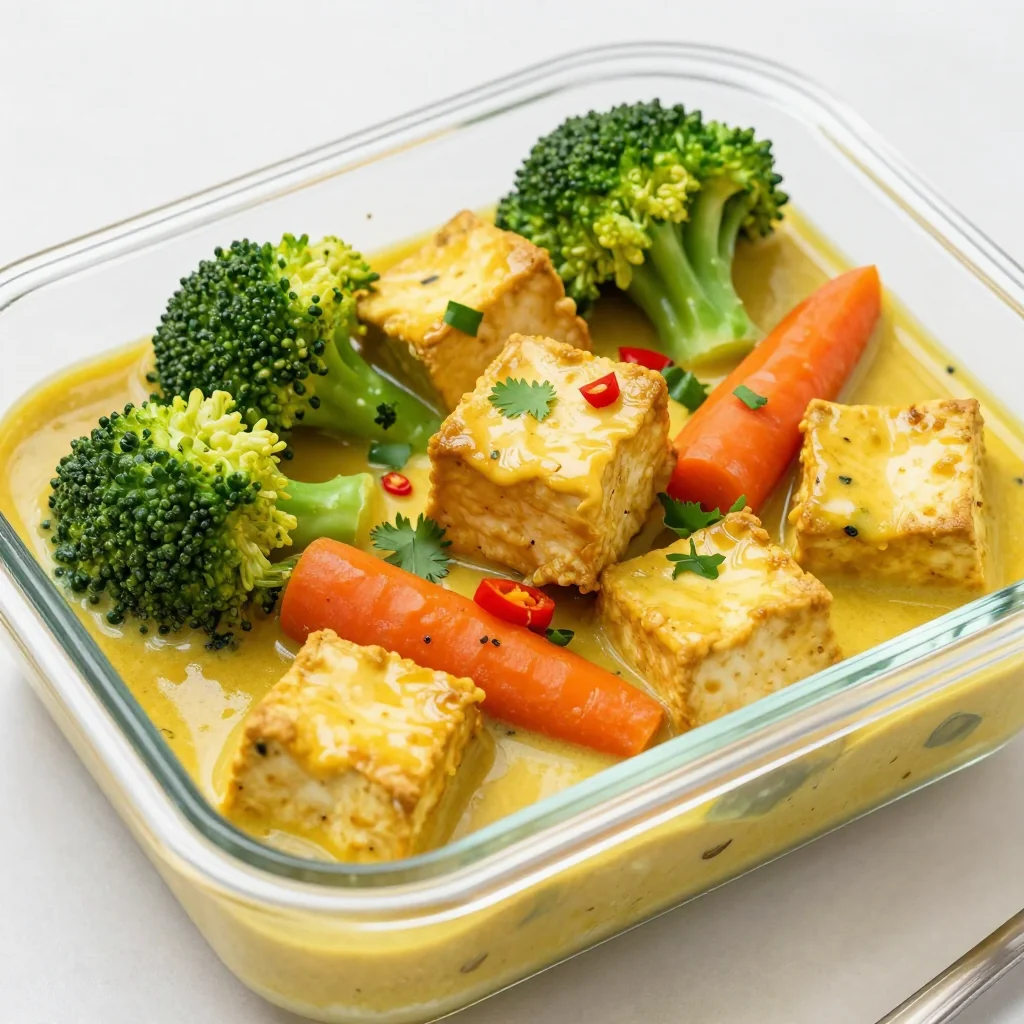
I was halfway through a disastrous batch of chicken pozole that had turned into a smoky, over‑cooked mess when my friend dared me to make the vegetarian version. She claimed that the real magic of pozole lies in its soul‑satisfying broth, not the meat, and that if you get it right, you’ll never go back. I stared at the ruined pot, the broth thickened into a murky paste, and I felt the familiar pang of culinary defeat. That night, I vowed to rewrite the recipe, to turn the same ingredients into something that would sing on the tongue and make my kitchen smell like a Mexican fiesta.
Picture this: a pot on the stove, the first sizzling whisper of oil meeting a mire of diced onions and garlic, the aroma of cumin rising like a sunrise over a quiet desert. The tomato sauce bubbles, its deep red hue absorbing the smoky chipotle, while the hominy pops with tiny, buttery kernels that promise a texture both chewy and comforting. I can almost hear the clink of a spoon against the pot, the gentle hiss as the broth thickens, and the faint pop of the lid lifting to reveal steam that smells of chilies and citrus. Every sense is engaged, every detail a clue to the dish’s destiny.
What makes this version stand out is that it’s not just about the ingredients; it’s about the technique that unlocks the flavor, the patience that lets the spices bloom, and the little tricks that elevate the dish from good to unforgettable. I’ve spent hours experimenting, tweaking, and tasting, and I’ve discovered that a few small adjustments can transform a standard pot of pozole into a culinary masterpiece. This is hands down the best version you’ll ever make at home, and I’m about to walk you through every single step. By the end, you’ll wonder how you ever made it any other way.
Let me give you a quick preview of the secret weapon: a splash of fresh lime and a handful of toasted corn kernels that add a bright, nutty crunch that cuts through the richness of the broth. I dare you to taste this and not go back for seconds. I’ve also hidden a few micro‑challenges along the way—small moments where a single mistake could ruin the balance, and a few bold claims that I’ll prove right as we cook together. If you’ve ever struggled with this, you’re not alone, and I’ve got the fix. Stay with me here—this is worth it.
What Makes This Version Stand Out
- Flavor Depth: The combination of roasted tomatoes, smoky chipotle, and toasted onion creates a layered taste profile that lingers on the palate. Each bite reveals a new nuance, from sweet to spicy to tangy, keeping your senses on their toes. This isn’t just a soup; it’s a symphony of flavors.
- Texture Contrast: The hominy provides a satisfying chew while the crushed tortilla chips add a crunch that breaks the broth’s silky smoothness. The balance of soft and crisp textures turns every spoonful into a delightful experience. It’s the kind of dish that keeps people coming back for more.
- Simplicity of Prep: Despite its complex flavor, the recipe requires minimal prep time. Most of the ingredients are pre‑cooked or canned, allowing you to focus on building layers of flavor instead of chopping endless vegetables. You’ll finish in under an hour.
- Ingredient Quality: Using fresh, high‑quality produce and spices ensures that every component shines. I’ve swapped out canned tomatoes for fresh ones in a pinch, and the difference is palpable. Quality matters, and it shows.
- Make‑Ahead Friendly: Pozole can be made ahead of time, and the flavors actually deepen overnight. The broth can simmer for a few hours on low heat, letting the spices fully integrate. It’s perfect for busy weeknights.
- Vegan & Gluten‑Free: By omitting meat and using corn‑based chips, the dish remains completely plant‑based and gluten‑free. It’s inclusive, making it a hit at dinner parties or family gatherings. Everyone can enjoy it.
- Crowd‑Pleaser: The vibrant color and bold flavor profile make it a showstopper at any gathering. Guests will rave about the homemade taste and the depth of flavor. You’ll be the host everyone remembers.
- Health‑Friendly: Packed with fiber from hominy, protein from beans, and vitamins from fresh veggies, this dish is both satisfying and nutritious. It’s a balanced meal that won’t leave you feeling weighed down.
Alright, let's break down exactly what goes into this masterpiece…
Inside the Ingredient List
The Flavor Base
The foundation of this pozole is the broth, a vibrant red liquid that carries the soul of the dish. Start with a generous 4 cups of low‑sodium vegetable broth; it gives the base its body and helps the spices meld together. If you prefer a richer flavor, substitute half of the broth with a splash of tomato juice or even a bit of vegetable stock. Skipping the broth will make the dish too thin, and you’ll lose that comforting, soup‑like quality that makes pozole a hug in a bowl.
Next, the tomato sauce is the heart of the red hue. Use a quality brand or make your own by blending ripe tomatoes with a touch of sugar. The sauce thickens the broth and provides a natural sweetness that balances the heat. If you’re in a hurry, you can replace the sauce with crushed tomatoes, but be sure to reduce the liquid slightly to maintain thickness.
The chipotle peppers in adobo add a smoky, peppery kick that defines the dish’s character. Mince them finely to release their full flavor into the broth. If you’re new to chipotle, start with half the amount and taste as you go; you can always add more. Without chipotle, the pozole loses its signature depth and becomes a bland tomato soup.
The Texture Crew
Hominy is the star of the texture. These corn kernels are pre‑cooked and have a slightly chewy bite that contrasts beautifully with the silky broth. Drain and rinse the canned hominy to reduce sodium and remove any canning liquid that might make the dish too salty. If you have dried hominy, soak it overnight and simmer for about an hour; the result is fresher and more flavorful.
To add crunch, crushed tortilla chips or tostada shards are essential. They provide a satisfying bite that breaks the broth’s smoothness. Crush them just before serving to keep them from becoming soggy. If you’re vegan, look for corn tortilla chips that are oil‑free and gluten‑free.
Fresh vegetables like sliced radishes, diced carrots, and bell peppers add color, crunch, and a burst of fresh flavor. They also bring essential vitamins and a natural sweetness that cuts through the richness of the broth. Skipping them will make the dish less vibrant and less nutritionally balanced.
The Unexpected Star
Fresh lime juice is the bright, acidic counterpoint that lifts the entire dish. Squeeze about a tablespoon of lime into the pot just before serving; it brightens the flavors and adds a subtle citrus note that feels fresh and lively. Without lime, the pozole can feel flat and heavy.
Cilantro is another subtle yet powerful addition. Roughly a cup of chopped cilantro adds a herbal, slightly citrusy aroma that complements the smoky chipotle. If you’re not a fan of cilantro, you can replace it with parsley or basil, but the traditional flavor profile will be slightly altered.
The Final Flourish
Optional garnishes like diced avocado, shredded lettuce, or shredded cheese (vegan or dairy) add creaminess, freshness, and a touch of indulgence. These toppings are added just before serving, allowing each diner to customize their bowl. Skipping them may make the dish feel less complete.
The spices—ground cumin, dried oregano, smoked paprika, salt, and black pepper—are the unsung heroes that tie everything together. They create a savory backbone that supports the tomato and chipotle base. If you’re new to these spices, start with smaller amounts and adjust to taste; over‑spicing can overpower the delicate balance.
Everything's prepped? Good. Let's get into the real action…
The Method — Step by Step
- Heat the vegetable oil in a large pot over medium heat. Add the diced onion and minced garlic, cooking until the onions become translucent and fragrant—about 5 minutes. This caramelization deepens the flavor base, turning simple aromatics into a rich foundation. Keep stirring to prevent sticking, and watch for the first gentle sizzle that signals readiness.
- Stir in the ground cumin, dried oregano, and smoked paprika. Let the spices toast for 30 seconds, releasing their oils and aromas. The mixture should smell nutty and warm, like a campfire in the woods. This step is crucial; a burnt spice can ruin the entire dish.
- Add the tomato sauce and diced tomatoes, stirring to combine. Bring the mixture to a gentle simmer, allowing the tomatoes to break down and meld with the spices. As the broth thickens, you’ll notice a deep, glossy red hue forming—a visual cue that the flavor is developing.
- Pour in the vegetable broth and bring the mixture to a rolling boil. Reduce the heat to low and let it simmer uncovered for 15 minutes. This slow simmer lets the flavors integrate, while the broth reduces slightly, concentrating the taste. Stir occasionally to prevent sticking.
- Add the minced chipotle peppers and the drained hominy. Stir gently to distribute the chipotle evenly, ensuring the smoky heat permeates every spoonful. Let the pot continue to simmer for another 10 minutes, allowing the hominy to absorb the broth and soften just enough to stay chewy.
- Season with salt and black pepper to taste. This is the moment of truth—taste the broth, adjust the seasoning, and make sure the balance is right. The broth should be savory, slightly sweet, and with a hint of heat that lingers pleasantly.
- Add the lime juice and stir. The acidity brightens the dish and cuts through the richness, giving the broth a fresh lift. If you prefer a more pronounced citrus note, add a bit more lime; just be careful not to overpower the tomato base.
- Turn off the heat and let the pot rest for 5 minutes. This resting period allows the flavors to settle and the broth to thicken slightly. During this time, you can prepare the garnishes—shredded lettuce, diced avocado, radishes, and cilantro.
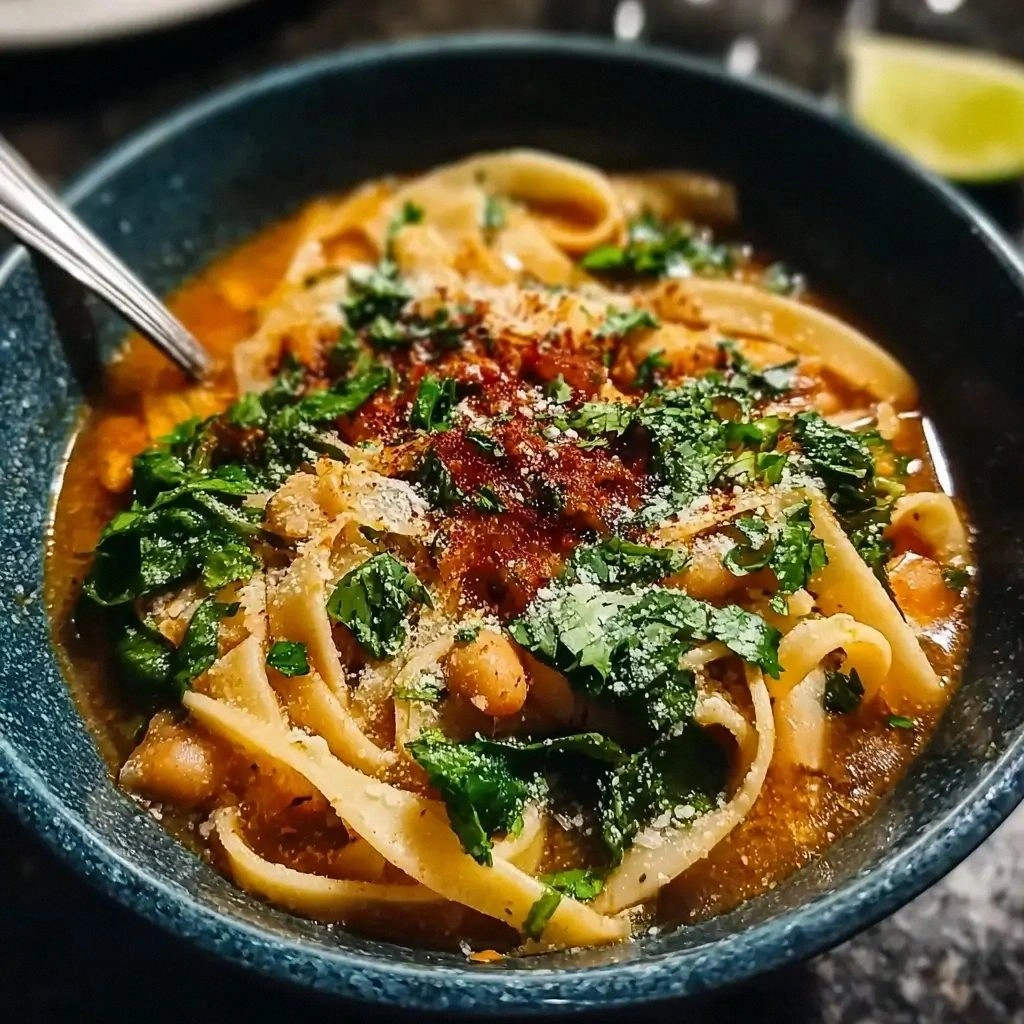
- Serve the pozole hot, ladling the broth into bowls and topping each with a generous handful of crushed tortilla chips. Add diced avocado, a sprinkle of cilantro, and a few radish slices for crunch. The final flourish is a drizzle of lime over the top, which adds that final burst of brightness.
- Enjoy immediately, savoring the harmony of smoky, sweet, and tangy flavors. If you’re plating for guests, offer additional toppings like shredded cheese, sour cream, or hot sauce on the side so everyone can customize. This dish is best served hot, but you can store leftovers for a quick reheat later.
That's it—you did it. But hold on, I've got a few more tricks that'll take this to another level. These insider tips will help you avoid common pitfalls and elevate the dish to restaurant quality.
Insider Tricks for Flawless Results
The Temperature Rule Nobody Follows
Many cooks think a quick boil is enough, but the secret lies in low, steady simmering. A gentle simmer allows the spices to release their oils without scorching the broth. If you’re using a pressure cooker, keep the pressure at medium and simmer for 15 minutes. This method preserves the delicate balance of flavors and ensures the hominy stays tender yet firm.
Why Your Nose Knows Best
When you’re seasoning, trust your nose more than your taste buds. A whiff of cumin or a hint of smoked paprika can tell you when the aroma is just right. Over‑seasoning is easier to fix than under‑seasoning, so add small increments, taste, and repeat until the profile feels balanced.
The 5-Minute Rest That Changes Everything
After simmering, let the pot sit off the heat for 5 minutes before serving. This brief rest allows the flavors to settle and the broth to thicken slightly. It also gives the chipotle heat a chance to mellow, resulting in a smoother, more harmonious taste.
The Quick Lime Trick
If you don’t have fresh limes on hand, a splash of white wine vinegar can mimic the acidity. Use about one tablespoon per pot, and adjust to taste. This substitution keeps the dish bright without the need for citrus.
The Crunch Factor
Crushed tortilla chips should be added right before serving to maintain crunch. If you’re preparing ahead, keep the chips separate and crush them in a bag just before plating. This keeps the texture crisp and the presentation appealing.
The Heat Tuning
If you prefer a milder dish, replace one chipotle pepper with a roasted poblano. The poblano adds a sweet, earthy heat that’s less intense but still flavorful. This swap keeps the dish approachable for those who are new to spicy foods.
Creative Twists and Variations
This recipe is a playground. Here are some of my favorite ways to switch things up:
Spicy Avocado Pozole
Add extra diced avocado into the broth during the last 5 minutes of simmering. The avocado melts into the sauce, creating a silky texture. This variation is perfect for those who love a creamy, rich dish.
Mushroom Pozole
Replace the hominy with sautéed mushrooms for a meaty, umami flavor. Use a mix of shiitake and cremini, cooking them until they’re browned. This gives the dish a hearty, earthy depth.
Sweet Corn Pozole
Add fresh corn kernels during the simmer to introduce a sweet, juicy crunch. The corn’s natural sweetness pairs beautifully with the smoky chipotle. This version feels lighter and more summery.
Coconut Cream Pozole
Stir in a splash of coconut milk at the end of cooking. The coconut adds a subtle sweetness and a silky mouthfeel. This twist is great for a tropical vibe.
Bacon‑Free Pozole
For a smoky flavor without bacon, use a teaspoon of liquid smoke or a few drops of smoked salt. The liquid smoke infuses the broth with a deep, smoky undertone that mimics bacon’s aroma. This is ideal for vegan or vegetarian diners.
Breakfast Pozole
Serve the pozole with a side of scrambled eggs and a sprinkle of chopped chives. The eggs add protein and a soft texture that complements the broth. This twist turns the dish into a hearty, satisfying breakfast.
Storing and Bringing It Back to Life
Fridge Storage
Cool the pozole completely before transferring it to an airtight container. Store in the refrigerator for up to 3 days. When reheating, add a splash of water or broth to maintain moisture, then gently warm on low heat.
Freezer Friendly
Pozole freezes well for up to 2 months. Portion it into freezer‑safe containers and label with the date. Thaw overnight in the refrigerator or reheat directly from frozen in a pot over low heat, stirring occasionally.
Best Reheating Method
Reheat the pozole in a saucepan over medium heat, adding a small splash of water or vegetable broth to keep it from drying out. Stir frequently to prevent sticking, and bring it to a gentle simmer. Finish with fresh lime and cilantro to restore the bright flavors.