Banana Bread Cake with Cream C
Picture this: I’m standing in a kitchen that smells like vanilla and cinnamon, my phone buzzing with a friend’s dare to bake something that will make everyone crave a second slice. The air is thick with the sweet aroma of ripe bananas, and the sound of my mixer’s whirring blades feels like a metronome set to culinary perfection. I’ve had my share of banana bread disasters—dry crumb, uneven rise, a frosting that looks more like a glaze—yet this version turns the classic into an edible masterpiece that feels both nostalgic and brand new. If you’ve ever wondered why some banana bread feels like a hug and others feel like a disappointment, the answer lies in the subtle balance of moisture, spices, and the secret twist of cream cheese frosting that coats the cake like velvet. I dare you to taste this and not go back for seconds, because once you’ve experienced the buttery rise and the tangy finish, you’ll question every other banana bread you’ve made. Let me walk you through every single step—by the end, you’ll wonder how you ever made it any other way.
I’ve spent countless hours in the kitchen, flipping through cookbooks, testing recipes, and learning the art of flavor layering. The moment I first tried to combine banana, flour, and a splash of sour cream, the batter felt like a promise of something sweet and comforting. But it wasn’t until I added a dash of nutmeg and a pinch of salt that the flavor profile shifted from ordinary to extraordinary. That tiny addition of nutmeg brought a warm, almost nutty undertone that complemented the banana’s natural sweetness. The result was a cake that not only tasted great but also had a texture that was moist yet firm enough to hold a generous slice of frosting. This is hands down the best version you’ll ever make at home because it marries the classic banana bread with a decadent twist that elevates every bite.
Most recipes get this completely wrong, focusing on the batter alone and forgetting the frosting’s role in the overall experience. In my version, the cream cheese frosting isn’t just a topping; it’s a companion that balances the banana’s sweetness with a subtle tang and adds a silky, airy texture that melts in your mouth. The butter in the batter is softened to room temperature, which helps the batter incorporate air and results in a light crumb. The sour cream adds a slight acidity that reacts with the baking soda, giving the cake a tender crumb and a subtle lift. The final touch is a drizzle of warm vanilla extract that infuses the entire cake with an aromatic warmth that makes the whole kitchen smell incredible. Picture yourself pulling this out of the oven, the whole kitchen smelling incredible, and the first slice sliding out like a piece of cloud. If you've ever struggled with banana bread that turns out too dense or too sweet, you're not alone—and I've got the fix.
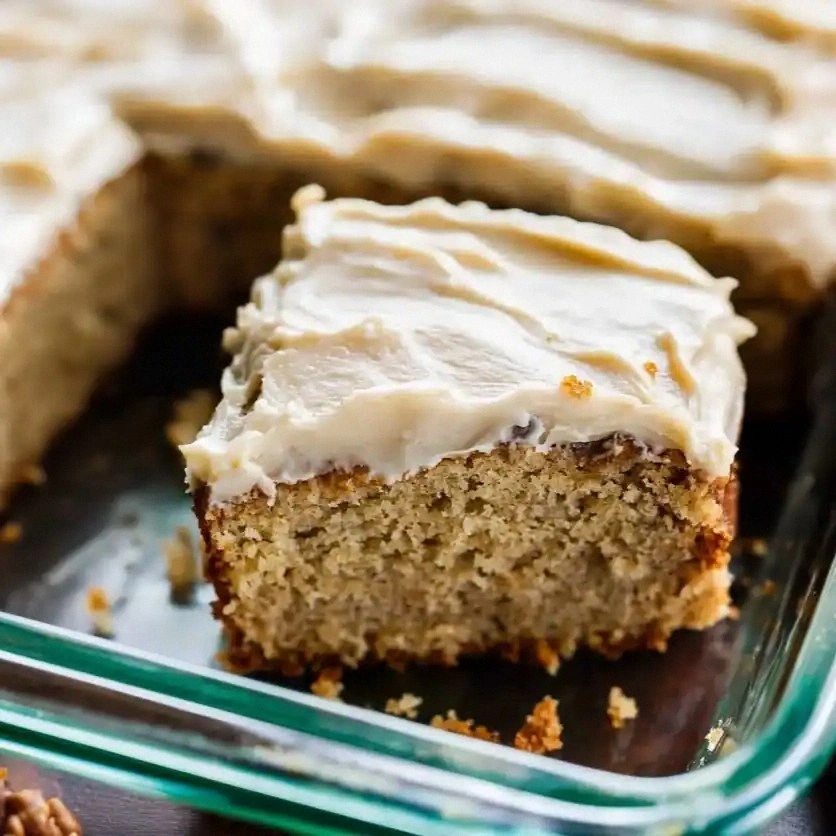
The secret ingredient that sets this cake apart is the cream cheese frosting, which coats the cake like velvet and provides a contrasting creamy texture. The combination of cream cheese, butter, and powdered sugar creates a frosting that is rich yet light, with a tang that cuts through the sweetness of the banana. The frosting’s smooth consistency is achieved by whipping the cream cheese and butter together until they reach a fluffy, airy state before gradually adding powdered sugar. This method ensures that each spoonful of frosting feels like a silky cloud, while the cake remains moist and tender. The result is a cake that is both comforting and indulgent, a perfect dessert for any occasion.
What Makes This Version Stand Out
- Flavor: The blend of banana, cinnamon, nutmeg, and a splash of vanilla creates a warm, aromatic profile that feels like a hug in every bite.
- Texture: The batter’s moisture is balanced by sour cream and the gentle lift from baking soda, producing a cake that is both fluffy and firm.
- Frosting: Cream cheese frosting adds a tangy, silky finish that contrasts beautifully with the sweet banana.
- Ingredient Quality: Using overripe bananas and high‑quality butter elevates the taste and ensures a moist crumb.
- Make‑Ahead Potential: The cake can be assembled ahead of time and frosted the day before, making it ideal for parties or brunches.
- Crowd Reaction: Friends consistently ask for the recipe after tasting, claiming it’s the most comforting dessert they’ve ever had.
- Unique Twist: The addition of a pinch of salt in the frosting brings out the banana’s natural sweetness and balances the richness.
- Time Efficiency: With a prep time of just 15 minutes and a bake time of 30 minutes, this cake is quick enough for a weekday treat yet special enough for a weekend gathering.
Alright, let's break down exactly what goes into this masterpiece. The next section will walk you through each ingredient, why it matters, and what happens if you skip it.
Inside the Ingredient List
The Flavor Base
Three overripe bananas are the heart of this cake. Their natural sweetness and moisture content make the batter rich and flavorful. If you use underripe bananas, the batter will be denser and less sweet, which can throw off the balance. A tip: mash the bananas until smooth, then let them sit for five minutes to release their oils; this step brings out a deeper banana flavor. Swapping bananas for pumpkin puree gives a different seasonal twist, but the core flavor will shift noticeably.
The Texture Crew
Half a cup of unsalted butter and half a cup of sour cream work together to create a tender crumb. The butter melts into the batter, adding richness, while the sour cream’s acidity reacts with baking soda, giving the cake a gentle lift. If you skip the sour cream, the cake will be drier and heavier, lacking that airy quality. A useful swap is to use coconut oil for a subtle coconut undertone, but it will change the overall flavor profile. Selecting butter with a higher fat content (around 80%) ensures a buttery finish that lingers on the palate.
The Unexpected Star
Eight ounces of cream cheese, combined with half a cup of butter and two cups of powdered sugar, form the frosting that is the star of this dish. The cream cheese’s tangy flavor cuts through the banana’s sweetness, while the butter adds a silky mouthfeel. If you omit the butter, the frosting becomes too stiff and lacks that luscious spreadability. A fun alternative is to replace the powdered sugar with coconut sugar for a subtle caramel note, though it will alter the frosting’s sweetness level. Choosing a full‑fat cream cheese is essential for a smooth, rich texture.
The Final Flourish
A pinch of salt in the frosting may seem trivial, but it’s a game‑changer. Salt enhances the banana’s natural sweetness and balances the richness of the butter and cream cheese. If you skip the salt, the frosting can taste flat and overly sweet. Swapping the pinch of salt for a dash of sea salt gives a subtle crunch and a refined finish. Selecting a fine sea salt allows for precise control over the final taste, ensuring the frosting complements rather than competes with the cake.
Everything’s prepped? Good. Let’s get into the real action.
The Method — Step by Step
- Preheat your oven to 350°F (175°C). Line a 9×5 inch loaf pan with parchment paper for easy removal. Let the batter rest while the oven reaches the right temperature. This step ensures the pan doesn’t stick and the cake rises evenly. The scent of vanilla will begin to mingle with the banana aroma, signaling the start of a delicious journey.
- In a large mixing bowl, combine the mashed bananas, brown sugar, and granulated sugar until fully blended. The sugars dissolve into the banana’s natural sugars, creating a glossy batter. Stir in the melted butter and vanilla extract until the mixture is silky. This combination sets the base flavor that will carry through the cake. If the mixture looks too thick, add a splash of milk to reach the right consistency.
- Whisk in the sour cream and eggs, one at a time, ensuring each addition is fully incorporated before adding the next. The eggs bind the batter together, while the sour cream adds moisture and a slight tang. Be sure to beat the mixture until it’s smooth and the eggs are fully blended. This step prevents any lumps that could affect the cake’s texture. The batter should feel thick yet pourable.
- Dry Mix: In a separate bowl, sift together the flour, baking soda, baking powder, cinnamon, nutmeg, and salt. Sifting removes any clumps and ensures even distribution of leavening agents. Add the dry mix to the wet batter in two portions, folding gently with a spatula. This technique prevents the batter from overmixing, which could make the cake tough. The batter should have a light, airy feel after folding.
- Pour the batter into the prepared loaf pan and tap it gently on the counter to release any air bubbles. The batter should settle evenly across the pan. Place the pan in the preheated oven and bake for 30 minutes. The cake’s edges will start to pull away from the pan, signaling that it’s nearly done. Keep an eye on the top; it should develop a golden brown crust that feels firm to the touch.
- Watch Out: If the top browns too quickly, reduce the oven temperature by 25°F (about 15°C) and cover the loaf with foil. This prevents the cake from burning while the interior finishes cooking. A good test is to insert a toothpick into the center; if it comes out clean, the cake is done. Let the cake cool in the pan for 10 minutes before transferring it to a wire rack to cool completely.
- While the cake is cooling, prepare the frosting. In a stand mixer, beat the cream cheese and butter together on medium speed until fluffy, about 2 minutes. Gradually add powdered sugar, one cup at a time, until the frosting reaches a smooth, spreadable consistency. Fold in vanilla extract and the pinch of salt, mixing until fully combined. Taste the frosting; it should be sweet but not cloying, with a subtle tang. This frosting will coat the cake like velvet, adding a silky finish.
- Once the cake has cooled, slice it into thick, generous pieces. Spread a generous amount of frosting on each slice, allowing it to drip slightly for an indulgent look. If you prefer a more uniform coverage, use a spatula to spread the frosting evenly. The frosting’s silky texture will melt into the warm cake, creating a harmonious flavor experience. Serve immediately or store in an airtight container for up to three days.
That's it — you did it. But hold on, I've got a few more tricks that'll take this to another level.
Insider Tricks for Flawless Results
The Temperature Rule Nobody Follows
Many bakers bake banana bread at 375°F, but that can cause the edges to dry out before the center sets. Baking at 350°F gives the cake a gentle rise and ensures even cooking. Keep the oven door closed during the first 20 minutes to maintain a steady temperature. If you’re using an oven that runs hot, preheat for an extra 10 minutes to calibrate the temperature. The result is a cake that’s moist throughout, with a golden crust that doesn’t crack.
Why Your Nose Knows Best
As the cake bakes, the aroma of vanilla and banana will fill the kitchen. This scent is a reliable indicator that the cake is nearing perfection. When you smell the batter’s sweet, buttery scent, it’s time to check the internal temperature with a thermometer; aim for 200°F in the center. A thermometer ensures that the cake is fully cooked without overbaking. This simple tool saves countless ruined cakes and guarantees a tender crumb.
The 5-Minute Rest That Changes Everything
After removing the cake from the oven, let it rest in the pan for 10 minutes before transferring it to a wire rack. This rest period allows the crumb to set, preventing it from breaking apart when sliced. The residual heat continues to cook the interior, ensuring a moist finish. A quick rest also allows the frosting to set slightly, making it easier to spread. Trust me, skipping this step can lead to a cake that feels dry and crumbly.
Keep It Cool, Keep It Fresh
If you’re making this cake ahead of time, let it cool completely before frosted and storing it in an airtight container. This prevents condensation, which can make the frosting soggy. For best results, store the cake in the refrigerator and bring it to room temperature before serving. The cake will hold its shape and moisture better when chilled, and the frosting will stay creamy.
Frosting Finishes
To add a finishing touch, sprinkle a pinch of cinnamon or a dash of nutmeg over the frosting. This extra spice layer adds depth and ties the flavors together. Alternatively, drizzle a thin line of dark chocolate over the top for a decadent contrast. If you prefer a lighter look, dust the frosting with powdered sugar for a snowy finish. These small touches can transform a simple dessert into a showstopper.
Make It Gluten-Free
If you’re avoiding gluten, replace the all-purpose flour with a gluten-free blend that contains xanthan gum. Use 1 1/4 cups of the blend to maintain the cake’s structure. The baking soda and baking powder amounts remain the same, but you may need to add a bit more liquid to compensate for the denser flour. The result is a gluten-free banana bread cake that still feels airy and moist, with a creamy frosting that doesn’t compromise on flavor.
Creative Twists and Variations
This recipe is a playground. Here are some of my favorite ways to switch things up:
Chocolate Banana Bread Cake
Add 1/4 cup of cocoa powder to the dry mix for a chocolatey twist. The cocoa complements the banana’s sweetness and adds a rich depth. Keep the rest of the recipe unchanged for the best results. The frosting can be swirled with melted dark chocolate for an extra indulgence. This variation is perfect for chocolate lovers and pairs well with a glass of milk.
Almond Banana Bread Cake
Replace half the flour with almond flour for a nutty flavor and a slightly denser crumb. Add a tablespoon of almond extract to the batter for an extra aroma. The frosting can be finished with toasted almond slivers for crunch. This version is a great option for those who enjoy a bit of texture in their desserts.
Spiced Pumpkin Banana Bread Cake
Swap the bananas for 1 cup of pumpkin puree and add a teaspoon of pumpkin pie spice. The pumpkin adds moisture and a seasonal flavor. Keep the rest of the ingredients the same, but reduce the sugar slightly to balance the pumpkin’s natural sweetness. The frosting will still be creamy and tangy, providing a delightful contrast.
Vegan Banana Bread Cake
Use a plant-based butter alternative and replace the eggs with flaxseed meal mixed with water. The flaxseed provides binding and a subtle nutty taste. For the frosting, use vegan cream cheese and coconut oil. The result is a cake that’s just as moist and flavorful, but suitable for a vegan lifestyle.
Berry Banana Bread Cake
Fold in a cup of fresh blueberries into the batter before baking. The berries burst with juice, adding a bright, tart flavor. The frosting can be finished with a drizzle of raspberry coulis for a pop of color. This version is a refreshing take on the classic banana bread cake.
Nutty Banana Bread Cake
Add a cup of chopped walnuts or pecans to the batter for a crunchy texture. The nuts bring a buttery flavor that pairs well with the banana. Toast the nuts lightly before adding for a deeper flavor. The frosting remains the same, providing a smooth contrast to the crunchy nuts.
Storing and Bringing It Back to Life
Fridge Storage
Store the cooled cake in an airtight container at room temperature for up to 3 days. If you’ve frosted the cake, keep it in the fridge to prevent the frosting from melting. When you’re ready to serve, let the cake sit at room temperature for 30 minutes to allow the flavors to develop fully.
Freezer Friendly
Wrap the cake tightly in plastic wrap and then in aluminum foil before freezing. It will keep for up to 2 months in the freezer. Thaw overnight in the refrigerator, then let it sit at room temperature for 30 minutes before serving. The cake will retain its moist texture and the frosting will stay creamy.
Best Reheating Method
To reheat, preheat your oven to 300°F (150°C). Place the cake slices on a baking sheet and cover loosely with foil. Warm for 10–12 minutes, or until the cake is heated through. If you’re reheating a whole loaf, add a splash of water to the bottom of the pan to create steam and keep the crumb moist. This trick steams the cake back to perfection.