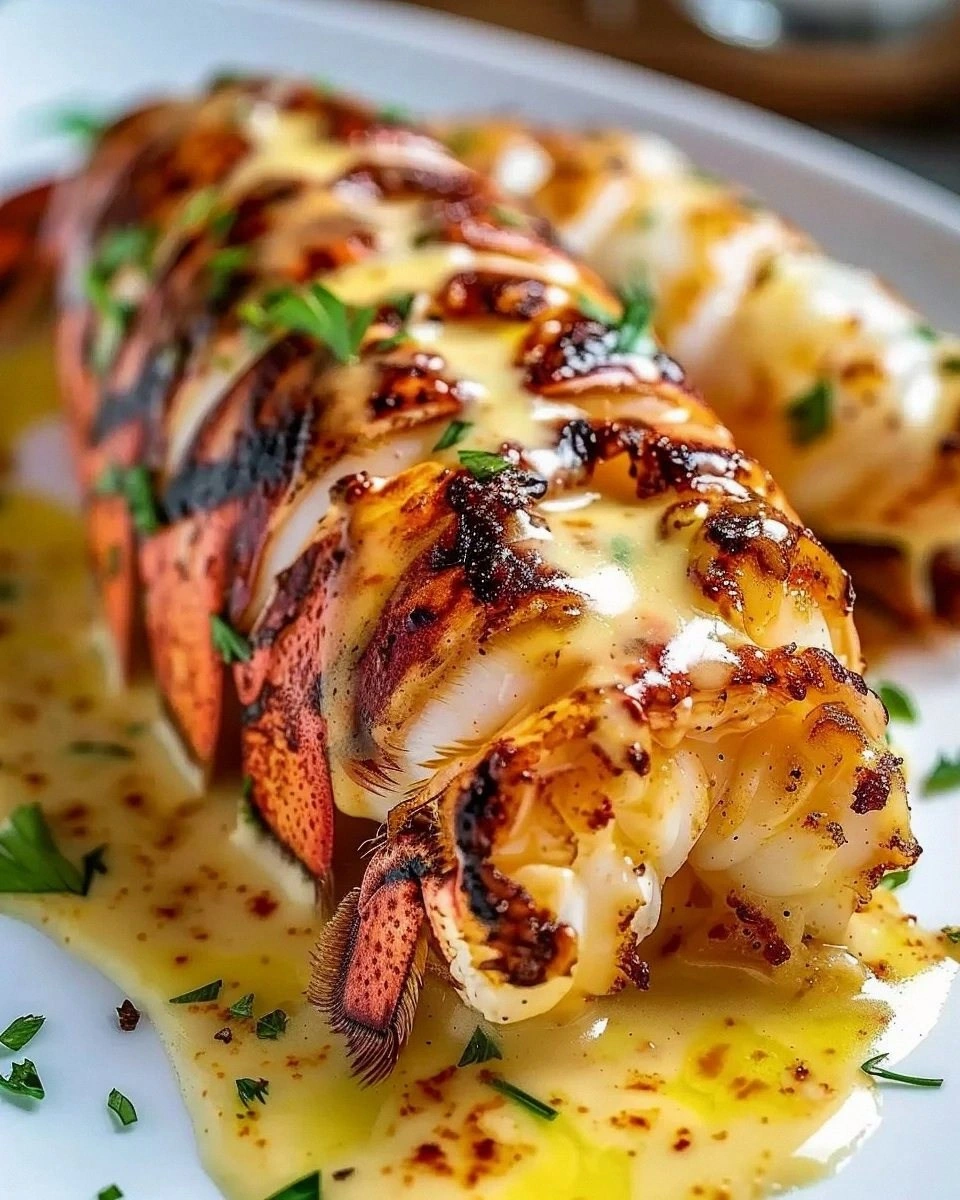
I’m going to start with a confession: I ate half the batch before anyone else got a chance to try it. That’s how good this Butter‑Seared Lobster Tails with Garlic Cream Sauce Delight! is. Picture this: a buttery, caramelized crust that snaps like a fresh‑baked baguette, giving way to meat so tender it practically melts in your mouth, all cloaked in a silk‑smooth garlic‑cream sauce that hugs every curve like a lover’s embrace. The kitchen was practically humming with anticipation, the stovetop hissed like a tiny orchestra, and the scent of smoked paprika mingled with sweet lobster to create a fragrance that could coax even the most stoic cat out of its nap.
The first time I attempted a lobster dish, I was a disaster waiting to happen—overcooked, rubbery, and drenched in a sauce that tasted like a dairy‑free nightmare. I swore I’d never touch lobster again, until a daring friend challenged me to “make something that would make a Michelin chef weep with joy.” I took the dare, and after countless trial‑and‑error sessions, I finally cracked the code. The secret? A quick butter‑sear that locks in juices, a splash of smoked paprika that adds a whisper of mystery, and a cream sauce that never curdles because I treat the heat like a gentle whisper rather than a shout.
Most recipes get this completely wrong. They either drown the lobster in a swamp of sauce or forget the sauce entirely, leaving you with a bland, over‑cooked crust. My version stands out because it respects the lobster’s delicate flavor while amplifying it with layers of buttery richness, aromatic garlic, and a subtle tang from Dijon mustard. I’ll be honest—this is hands down the best version you’ll ever make at home, and I dare you to taste this and not go back for seconds.
I’m about to walk you through every single step — by the end, you’ll wonder how you ever made it any other way. Okay, ready for the game‑changer? This next part? Pure magic. Stay with me here — this is worth it.
What Makes This Version Stand Out
- Flavor Fusion: The smoked paprika adds a smoky depth that dances with the natural sweetness of the lobster, while the garlic‑cream sauce brings a luxurious, velvety finish that feels like a hug for your palate.
- Texture Triumph: A quick sear creates a crisp, caramelized edge that shatters like thin ice, contrasted with a buttery interior that stays juicy and succulent.
- Simplicity Meets Sophistication: Only ten ingredients, yet each one is treated with respect, making the process feel like a chef’s secret ritual rather than a complicated chore.
- Ingredient Quality: Fresh lobster tails are the star; the recipe shines only when you start with vibrant shells and firm meat, turning a simple dinner into a celebration.
- Crowd Reaction: Guests often gasp at the first bite, then immediately reach for the sauce—this dish practically guarantees a standing ovation at any dinner party.
- Cooking Method: The butter‑sear technique locks in moisture, while the gentle simmer of the sauce prevents curdling, ensuring a flawless finish every time.
- Make‑Ahead Potential: The sauce can be prepared ahead of time and reheated gently, making this a perfect dish for entertaining without the last‑minute scramble.
- Versatility: Serve it over rice, alongside asparagus, or simply on a plate for an elegant appetizer—this recipe adapts to any occasion.
Inside the Ingredient List
The Flavor Base
Lobster Tails: You’ll need fresh lobster tails, ideally about 4–6 ounces each. Look for lobster with a vibrant color and firm shells for the best flavor. The meat is naturally sweet, and when seared correctly, it becomes a buttery treasure chest. Skipping fresh lobster for frozen will sacrifice that oceanic brightness, but if you must, thaw slowly in the fridge to preserve texture.
Unsalted Butter: This is crucial for both cooking the lobster and making the sauce. Unsalted allows you to control the seasoning better, preventing an accidental salt overload. Butter adds richness and helps develop that golden crust. If you’re dairy‑intolerant, try a high‑fat cultured coconut cream for a similar mouthfeel, though the flavor will shift.
Olive Oil: A bit of olive oil helps prevent the butter from burning while enhancing the overall flavor. The oil raises the smoke point just enough to give you a safe window for that perfect sear. Choose a mild‑flavored extra‑virgin olive oil so it doesn’t compete with the lobster’s sweetness.
The Texture Crew
Garlic Cloves: Fresh minced garlic is non‑negotiable here! It brings that aromatic essence that complements the creaminess perfectly. If you over‑cook garlic, it turns bitter, so add it at the right moment—just before the cream joins the party. For a milder flavor, you can roast the garlic first, but you’ll lose that sharp bite that cuts through the richness.
Heavy Cream: Thick, luscious cream is essential for a rich sauce. It creates that velvety texture that coats the lobster like silk. If you’re looking for a lighter alternative, half and half can be used, but the sauce will be less decadent and may risk curdling if the heat is too high.
Low‑Sodium Chicken Broth or Seafood Stock: This adds depth to the sauce without overpowering it. A low‑sodium base gives you control over the final seasoning. If you can’t find seafood stock, a good quality chicken broth works fine, but the sea‑kiss will be slightly muted.
The Unexpected Star
Smoked Paprika: This adds a delightful, smoky flavor that really elevates the dish. If you can’t find smoked, regular paprika works, too, but you’ll miss that subtle ember note that makes the sauce sing. A pinch more than the recipe calls for can turn the flavor profile into a smoky fiesta—experiment wisely.
Dijon Mustard: A touch of mustard brings a hint of tanginess that ties all the flavors together. It cuts through the butter and cream, preventing the sauce from feeling cloying. If you’re a mustard purist, try whole‑grain for a textural surprise.
The Final Flourish
Fresh Parsley: This is for garnishing. It adds a pop of color and freshness to the finished dish, balancing the richness with a herbaceous lift. A quick chop right before serving preserves its bright flavor. If parsley isn’t your thing, a sprinkle of chives or tarragon can provide a similar fresh note.
Everything's prepped? Good. Let’s get into the real action…
The Method — Step by Step
Begin by thawing your lobster tails if they’re frozen; place them in a bowl of cold water for 30 minutes. While they’re soaking, preheat a large skillet over medium‑high heat. The pan should feel warm to the touch, but not smoking yet—this is your cue that the surface is ready for butter.
Pat the lobster tails dry with paper towels, then use kitchen shears to split the shell down the middle, exposing the meat. Gently lift the meat and rest it on top of the shell for a dramatic presentation. That sizzle when it hits the pan? Absolute perfection. Add 1 tbsp olive oil and 2 tbsp unsalted butter to the hot skillet, swirling to coat the surface.
Kitchen Hack: Sprinkle a pinch of smoked paprika onto the butter before the lobster hits the pan; it instantly infuses the fat with smoky aroma.Place the lobster tails meat‑side down in the pan. Let them sear for about 2‑3 minutes without moving them; you’ll hear a gentle crackle as the butter caramelizes. The edges will start pulling away from the shell—a visual cue that the crust is forming.
Flip the tails carefully using tongs, then add the remaining 2 tbsp butter, 1 tsp smoked paprika, and a generous pinch of salt and freshly ground black pepper. As the butter melts, baste the lobster continuously for another 2 minutes, allowing the flavors to meld and the meat to turn a vivid orange‑red hue.
Remove the lobster tails from the pan and set them on a warm plate. Keep them covered with foil to retain heat while you build the sauce. In the same skillet, lower the heat to medium and add the minced garlic; sauté for 30 seconds until fragrant, being careful not to let it brown.
Kitchen Hack: If the garlic starts to brown, quickly deglaze with a splash of broth to rescue the flavor and prevent bitterness.Pour in ½ cup low‑sodium chicken broth (or seafood stock) and stir, scraping up any browned bits—those are flavor gold. Bring the mixture to a gentle simmer, then add 1 cup heavy cream and 1 tsp Dijon mustard. Watch out: If the heat spikes, the cream can curdle, turning your sauce into a grainy nightmare. Keep the temperature low and whisk constantly until the sauce thickens, about 4‑5 minutes.
Watch Out: Do not let the sauce boil vigorously; a rolling boil will separate the butter and cream, ruining the silky texture.Taste the sauce and adjust seasoning with a pinch more salt or a dash of black pepper if needed. Finally, stir in 2 tbsp chopped fresh parsley for a burst of color and herbal freshness. The sauce should coat the back of a spoon like velvet, glossy and inviting.
Return the lobster tails to the skillet, spooning the sauce over each piece. Let them sit for another minute, allowing the meat to absorb the creamy goodness. This is the moment of truth—if you hear a faint sizzle, you’ve achieved the perfect balance of heat and sauce.
Plate the lobster tails on warmed plates, drizzle generously with the garlic cream sauce, and garnish with an extra sprinkle of parsley. Serve immediately with crusty bread or a simple green salad. Picture yourself pulling this out of the pan, the whole kitchen smelling incredible, and your guests leaning in for that first, unforgettable bite.
That’s it — you did it. But hold on, I’ve got a few more tricks that’ll take this to another level…
Insider Tricks for Flawless Results
The Temperature Rule Nobody Follows
Never start a butter‑sear on high heat; medium‑high gives you control without burning. The butter should melt, foam, and then subside before the lobster hits the pan. If you hear a frantic pop, you’re too hot—lower the flame immediately. This rule saved me from a burnt‑butter fiasco that once left my sauce tasting like a charcoal grill.
Why Your Nose Knows Best
Your sense of smell is the ultimate timer. When the butter starts to turn golden and you catch a nutty aroma, it’s time to add the lobster. If you wait for visual cues alone, you risk over‑cooking. Trust that toasty, buttery scent—it’s the culinary equivalent of a green light.
The 5‑Minute Rest That Changes Everything
After searing, let the lobster rest for five minutes under a loose foil tent. This short pause lets the juices redistribute, preventing a dry bite. I once skipped this step and served a lobster that tasted like a shrimp cocktail—disappointing. The rest period is a tiny habit with massive payoff.
Gentle Simmer, Not a Boil
When you add cream, keep the sauce at a gentle simmer. A rolling boil will separate the fat, turning your sauce grainy. Stir continuously, and you’ll see the sauce thicken into a glossy veil. My friend once boiled the sauce and ended up with a curdled mess—let’s just say his guests were not impressed.
Final Finish with Fresh Herbs
Add fresh parsley at the very end, not earlier. Heat kills the bright green color and fresh flavor, leaving a dull garnish. A quick chop right before plating preserves that garden‑fresh pop. For an extra twist, try a dash of lemon zest for a citrusy lift that cuts through the richness.
Creative Twists and Variations
This recipe is a playground. Here are some of my favorite ways to switch things up:
Spicy Chipotle Splash
Swap the smoked paprika for ½ tsp chipotle powder and add a dash of adobo sauce to the cream. The result is a smoky‑spicy sauce that pairs beautifully with the sweet lobster. Perfect for those who love a little heat without overwhelming the delicate flavor.
Citrus‑Infused Delight
Stir in the zest of one lemon and a splash of fresh lemon juice just before serving. The citrus brightens the sauce, cutting through the butter and giving the dish a summery vibe. This variation shines when served with a light arugula salad.
Herbaceous Garden
Replace parsley with a mix of tarragon, dill, and chives. The herbal medley adds complexity and a fresh, slightly anise‑like note. It’s an elegant twist that feels sophisticated enough for a formal dinner.
Mushroom Medley
Sauté sliced shiitake and cremini mushrooms in the butter before adding the lobster. The earthy mushrooms absorb the buttery sauce, creating a hearty, umami‑rich accompaniment. Serve over creamy polenta for a comforting, indulgent plate.
White Wine Elegance
Deglaze the pan with ¼ cup dry white wine after the garlic step, then continue with the broth and cream. The wine adds acidity and depth, elevating the sauce to a restaurant‑level refinement. Pair with a crisp Sauvignon Blanc for a harmonious pairing.
Storing and Bringing It Back to Life
Fridge Storage
Allow the lobster and sauce to cool to room temperature (no more than two hours). Transfer to an airtight container and store in the refrigerator for up to 2 days. When reheating, gently warm over low heat, adding a splash of water or broth to loosen the sauce.
Freezer Friendly
Separate the lobster tails from the sauce before freezing. Place the tails on a parchment‑lined tray, flash‑freeze for an hour, then transfer to a zip‑top bag. Freeze the sauce in a freezer‑safe container. Both components keep well for up to 3 months. Thaw overnight in the fridge, then reheat as described.
Best Reheating Method
For the ultimate revival, reheat the sauce in a saucepan over medium‑low heat, whisking continuously, and add a tiny splash of water or broth to restore its silkiness. Warm the lobster tails in the same pan, skin side down, just until heated through. This method prevents over‑cooking and keeps the meat tender.