I burnt the garlic. Again. There I stood, hovering over my stove like a helicopter parent, watching my would-be masterpiece turn into a bitter disaster while my dinner guests were due to arrive in forty-five minutes. The acrid cloud of over-caramelized allium hung in my kitchen like a bad omen, and I remember thinking, "There has to be a better way to pull off that dreamy, silky, garlicky pasta everyone keeps raving about." Fast-forward through a frantic grocery run, a half bottle of wine for courage, and one spontaneous detour past the cheese counter, and I stumbled onto the method that changed everything. What emerged from that chaotic evening was this Creamy Garlic Parmesan Chicken Pasta: a one-pot wonder that tastes like you spent all day in cooking school but actually requires less effort than ordering take-out.
Picture this: cavatappi noodles—those adorable corkscrew shapes—swimming in a sauce so luxurious it could make a grown food-critic weep. The aroma alone is a full-body experience. Imagine roasted garlic meeting nutty Parmesan, all wrapped around juicy chicken that’s been seared until the edges turn golden and slightly crisp. That first forkful hits your tongue and it’s pure velvet, coating every taste bud with buttery, garlicky, cheesy goodness that somehow feels both indulgent and comforting at once. I dare you to taste this and not go back for seconds; actually, I double-dog dare you, because I’ve seen self-proclaimed carb-haters demolish an entire skillet without apology.
Most recipes get this completely wrong. They dump cold cream into a screaming-hot pan and wonder why the sauce breaks into an oily mess. Or they toss in pre-grated cheese from a green can and expect restaurant-level flavor. Here’s what actually works: coaxing the garlic in gentle butter first, blooming the dairy proteins with a light roux, and finishing with a snowfall of freshly grated Parm that melts into glossy perfection. Stay with me here—this is worth it. By the time you’re ladling this onto plates, you’ll understand why my neighbor once bribed me with a bottle of Barolo just to snag the leftovers.
Okay, ready for the game-changer? We’re using the pasta water—yes, that cloudy, starchy liquid gold—to emulsify the sauce so it clings to every ridge of the noodles. No more puddles of cream pooling sadly at the bottom of the bowl. Future pacing: picture yourself pulling this out of the oven, the whole kitchen smelling like a trattoria in Rome, while your friends hover with forks at the ready. Let me walk you through every single step—by the end, you'll wonder how you ever made it any other way.
What Makes This Version Stand Out
Flavor Bomb: By searing the chicken in olive oil first, we build a fond—those caramelized brown bits—that infuses the entire sauce with deep, roasty notes. Most recipes cook the chicken separately and never marry the flavors. Don’t skip this; it’s the difference between “meh” and “more, please.”
One-Pot Magic: Everything happens in a single skillet, meaning fewer dishes and more time to refill your wine glass. The pasta cooks right in the sauce, absorbing flavor instead of tasting like bland boiled noodles. If you’ve ever struggled with juggling multiple pots, you’re not alone—and I’ve got the fix.
Silky Stability: A light roux anchors the cream, preventing that dreaded separation. The result is a stable emulsion that stays smooth even when you reheat leftovers. Translation: no grainy, broken sauce ruining your midnight snack.
Cheese Integrity: Freshly grated Parm melts evenly, while the powdered cellulose in pre-shredded stuff turns gritty. I’ll be honest—I ate half the batch before anyone else got to try it, purely because the texture was that seductive.
Make-Ahead Friendly: Prep the components on Sunday, stash in the fridge, then assemble on a Tuesday night in under fifteen minutes. The flavors actually deepen overnight, so you win twice.
Flexitarian Fun: Swap chicken for shrimp, add sun-dried tomatoes, or go green with spinach and basil. This recipe is a playground, and I’m handing you the keys.
Inside the Ingredient List
The Flavor Base
Garlic is the diva here, and it knows it. Fresh cloves, minced fine, release their sweet pungency into the butter and oil, scenting the kitchen like an Italian grandmother’s fireplace. Skip the jarred stuff; it tastes metallic and lacks the bright oils that fresh garlic brings. If you’ve ever wondered why restaurant sauces taste brighter, this is it. And please, for the love of all that is holy, don’t let it brown past golden or you’ll land squarely back in my original disaster zone.
Chicken broth forms the savory backbone, lending depth without heaviness. I prefer low-sodium so I can control the salt later; there’s nothing worse than an over-seasoned cream sauce that can’t be undone. Homemade broth is dreamy but store-bought works—just warm it first so it doesn’t shock the roux. Want an extra layer? Swap half the broth for dry white wine and let it bubble until the raw alcohol smell disappears.
The Texture Crew
Cavatappi is my ride-or-die noodle for this dish; its ridges grab sauce like tiny edible velcro. Penne or rotini are acceptable understudies, but once you see those spirals slathered in Parm, you’ll understand the obsession. Cook them shy of al dente since they’ll finish in the sauce and absorb more flavor. Undercooked beats mushy every single time, trust me.
Heavy cream delivers the unapologetic richness we crave. Yes, you could sub half-and-half, but expect a thinner sauce that won’t blanket the pasta as luxuriously. Bring the cream to a gentle simmer, not a rolling boil, to prevent that pesky curdle. The fat content also stabilizes the Parmesan, keeping it smooth and glossy.
The Unexpected Star
Flour might sound boring, but here it’s the silent bodyguard preventing sauce separation. A quick one-minute cook in butter removes any raw taste while setting up the emulsifying magic. Without it, you’re gambling on a greasy puddle. If gluten is a concern, a tablespoon of cornstarch whisked into cold broth works, but the flavor won’t be quite as rounded.
The Final Flourish
Fresh parsley does more than look pretty; its bright, slightly peppery bite cuts through all that richness. Chop it just before sprinkling so the oils stay vibrant. No parsley? Try chives or even a whisper of tarragon for an anise-y surprise. And yes, dried parsley is basically confetti—skip it.
Everything’s prepped? Good. Let’s get into the real action...
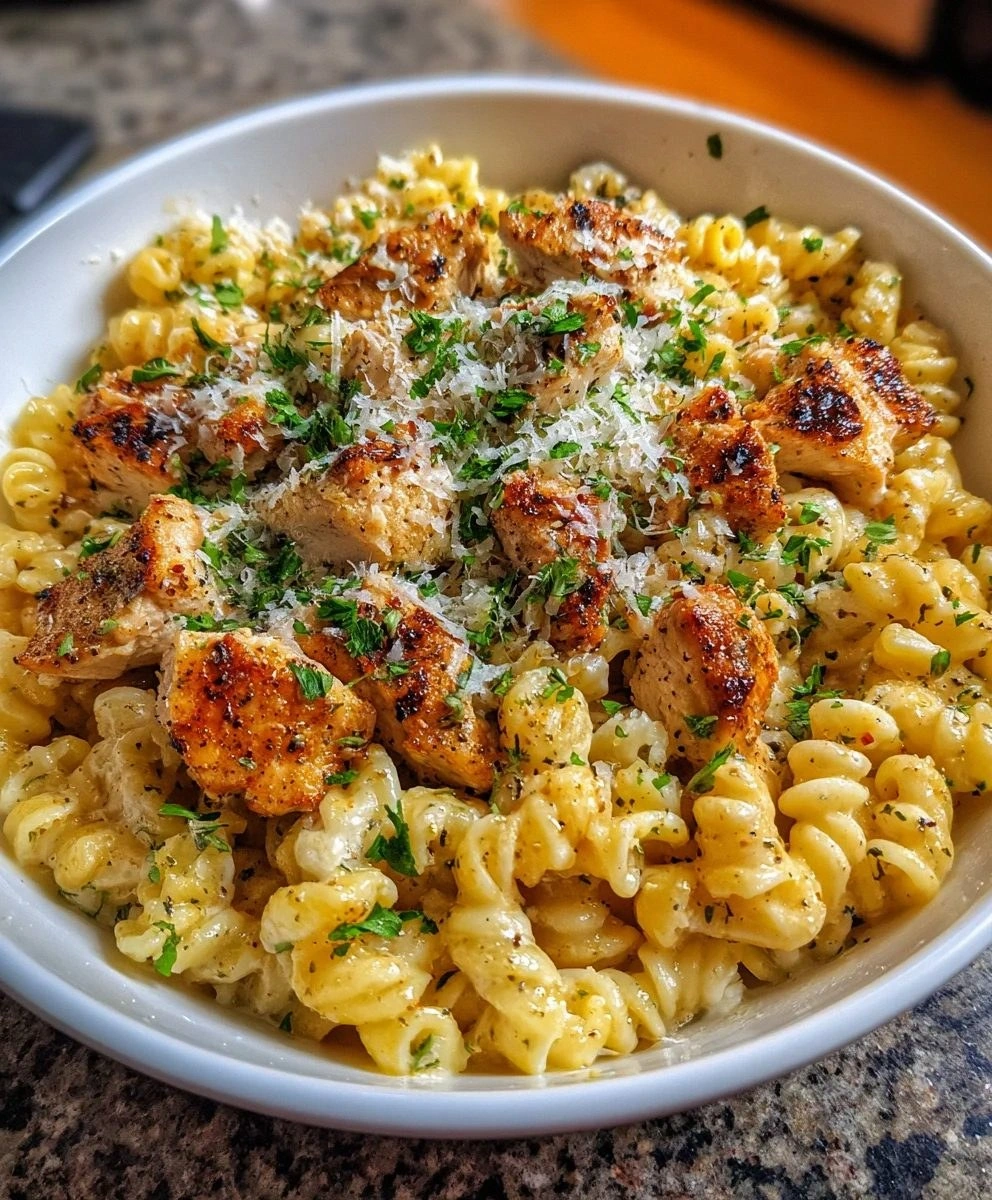
The Method — Step by Step
- Start by patting the chicken breasts dry with paper towels; moisture is the enemy of that golden crust. Season generously on both sides with kosher salt, garlic powder, onion powder, paprika, and a few cracks of black pepper. The spice blend forms a flavor-packed jacket that will later season the entire sauce. Heat the olive oil in a large skillet over medium-high until it shimmers—when a drop of water sizzles instantly, you’re there. Lay the chicken in gently; that sizzle when it hits the pan? Absolute perfection.
- Let the chicken cook undisturbed for six minutes. I know the urge to poke is strong, but leaving it alone builds the caramelized crust that equals flavor city. Flip and sear another five to six minutes until the internal temp hits 160°F. Transfer to a plate to rest; juices will redistribute, keeping every bite moist. Those browned bits clinging to the skillet? Liquid gold—do not wash that pan.
- Reduce heat to medium and melt the butter in the same skillet. Scrape the bottom with a wooden spoon to lift every speck of fond—that’s free flavor. When the butter foams, add the minced garlic and sauté just until fragrant, about thirty seconds. You’ll smell a sweet, almost nutty aroma; that’s your cue to move on. Over-browning equals bitterness, and we’re not repeating my original calamity.
- Sprinkle in the flour and whisk constantly for one minute. You’re making a pale roux that will thicken the sauce without tasting like raw dough. The mixture should look like wet sand and smell faintly toasty. Keep it moving so nothing sticks or colors too quickly. This is the moment of truth; patience here separates silky from sorry.
- Gradually whisk in the warm chicken broth, a half-cup at a time, smoothing after each addition. This prevents lumpy gravy syndrome. Once incorporated, pour in the heavy cream, whisking continuously. Bring to a gentle simmer; small bubbles should form around the edges. Don’t walk away from the stove here—cream can boil over faster than a toddler on a sugar high.
- Add the cavatappi, stirring to coat. Reduce heat to low, cover, and cook for ten minutes, stirring twice so nothing sticks. The pasta will absorb the sauce and release starch, naturally thickening everything. If it looks dry, splash in a quarter-cup of broth or water. Taste a noodle—when it’s just shy of al dente, you’re golden.
- Slice the rested chicken into strips and return them to the skillet. Fold in half the Parmesan until melted and glossy. Season with salt and pepper to taste; the cheese adds saltiness, so go easy at first. If you’ve ever struggled with bland pasta, you’re not alone—and I’ve got the fix right here.
- Remove from heat and sprinkle remaining Parmesan and fresh parsley. Give it a quick toss; residual heat will melt the cheese into stretchy strands. Serve immediately in warm bowls because this sauce waits for no one. That’s it—you did it. But hold on, I’ve got a few more tricks that’ll take this to another level...
Insider Tricks for Flawless Results
The Temperature Rule Nobody Follows
Cold dairy plus hot pan equals curdled heartbreak. Bring cream and broth to at least room temp before they hit the roux. I zap mine in the microwave for thirty seconds—game changer. Stable emulsions mean you can reheat leftovers without the sauce turning grainy. A friend tried skipping this step once; let’s just say it didn’t end well.
Why Your Nose Knows Best
When the garlic smells sweet and the roux smells like buttery toast, you’re on the right path. If anything smells sharp or acrid, you’ve crossed the line—dial back the heat immediately. Your olfactory senses are built-in kitchen timers; use them. This simple awareness elevates your cooking more than any gadget.
The 5-Minute Rest That Changes Everything
After combining pasta and sauce, let the skillet sit off heat for five minutes. The starch sets slightly, helping the sauce cling instead of puddling. Cover loosely so it stays warm. This brief pause lets flavors mingle and textures stabilize, meaning every bite is as perfect as the first.
Creative Twists and Variations
This recipe is a playground. Here are some of my favorite ways to switch things up:
Buffalo Chicken Edition
Swap paprika for a teaspoon of cayenne and finish with a swirl of Buffalo hot sauce. The cooling Parmesan balances the heat, creating that wings-meets-pasta nirvana. Celery leaves make a crunchy, herby garnish. Perfect for game-night adrenaline.
Spring Veggie Fling
Toss in blanched asparagus tips and sweet peas during the final simmer. The verdant colors pop against the ivory sauce, and the sweetness of the veggies plays beautifully with garlicky cream. Add lemon zest for brightness and a whiff of seasonal optimism.
Surf & Turf Upgrade
Replace half the chicken with seared shrimp. Season the seafood with Old Bay and add it only for the last two minutes to prevent rubbery sadness. Each bite alternates land and sea, keeping your palate intrigued and your guests guessing.
Smoky Mushroom Maven
Use smoked paprika and fold in sautéed cremini mushrooms. Their earthiness echoes the nutty Parmesan, while the smoke adds campfire coziness. A drizzle of truffle oil at the end turns weeknight dinner into date-night luxury.
Sun-Dried Tomato & Basil Blast
Stir in chopped sun-dried tomatoes and ribbons of fresh basil. The tangy tomatoes cut through richness, and basil perfumes the whole skillet. You’ll feel like you’re dining alfresco in Tuscany—even if you’re actually in a studio apartment.
Lightened-Up Comfort
Sub half-and-half and swap cavatappi for chickpea-based pasta. The protein boost keeps you full, and the lower fat content means you can go back for seconds without the post-pasta slump. Sometimes we want the hug without the snooze.
Storing and Bringing It Back to Life
Fridge Storage
Transfer cooled pasta to an airtight container and refrigerate up to four days. Press plastic wrap directly onto the surface to prevent the sauce from absorbing fridge odors. Yes, it will thicken when cold—that’s the starch doing its thing.
Freezer Friendly
Portion into freezer bags, squeeze out excess air, and freeze up to two months. Lay bags flat for quick thawing. The cream may separate slightly, but a vigorous stir while reheating brings it back together. Label with the date; future you will thank present you.
Best Reheating Method
Warm gently in a skillet over medium-low with a splash of broth or milk. Stir often and cover for the first few minutes so the steam loosens everything. Add a tiny splash of water before reheating—it steams back to perfection. Microwave works in a pinch, but use 50% power and pause to stir every thirty seconds. Your goal is creamy revival, not rubbery regret.