Last weekend I tried to impress my roommate with a quick lunch, but what landed on the table was a soggy tuna sandwich that tasted like a regret-filled memory. I could hear the crickets chirping in my stomach as the bland mayo clung to stale bread, and I swore I’d never attempt a “quick” fix again. Then, in a half‑hearted moment of desperation, I grabbed a jar of kimchi from the fridge, an extra can of tuna, and a stack of flour tortillas, thinking, “What could possibly go wrong?” Spoiler: everything went spectacularly right.
The moment the kimchi hit the pan, a fizzing pop erupted, releasing a fragrant wave of fermented cabbage that made the whole kitchen feel like a bustling Seoul street market at dusk. I could see the bright ruby‑red flecks of chili and garlic dancing in the oil, hear the gentle sizzle like a whispered secret, and feel the heat tickle the back of my hand. My nose was assaulted by a tangy, umami perfume that made my mouth water before I even tasted the first bite. The tuna, meanwhile, stayed cool and flaky, ready to absorb every zingy note that the kimchi threw its way.
What makes this version the ultimate game‑changer? It’s the marriage of two worlds: the creamy, comforting texture of a classic tuna salad, and the bold, probiotic punch of kimchi that turns a simple wrap into a flavor fireworks display. Most recipes either drown the tuna in mayo or slap kimchi on a boring lettuce leaf, never quite achieving that perfect balance. I dare you to taste this and not go back for seconds, because the crunch of fresh lettuce, the silkiness of mayo, and the fiery bite of kimchi create a symphony that’s hands down the best version you’ll ever make at home.
And here’s the secret I didn’t know I’d be spilling: a splash of toasted sesame oil and a drizzle of rice vinegar act like culinary matchmakers, coaxing the tuna and kimchi into a harmonious duet. I’ll be honest — I ate half the batch before anyone else got to try it, and that’s a confession I’m not ashamed of. If you’ve ever struggled with a bland wrap, you’re not alone — and I’ve got the fix. Let me walk you through every single step — by the end, you’ll wonder how you ever made it any other way.
What Makes This Version Stand Out
- Flavor Explosion: The fermented tang of kimchi meets the mellow richness of tuna, creating a contrast that’s as thrilling as a roller coaster’s first drop.
- Texture Harmony: Crispy lettuce, crunchy kimchi, and silky mayo intertwine, delivering a mouthfeel that feels like biting into a perfectly timed drum solo.
- Simplicity: Fewer than ten ingredients, each doing heavy lifting, mean you can throw this together in under 30 minutes without a pantry raid.
- Uniqueness: Most tuna wraps shy away from fermented foods; this one embraces them, turning an ordinary lunch into a conversation starter.
- Crowd Reaction: Expect the “What is that amazing taste?” chorus at any office potluck — it’s a guaranteed hit.
- Ingredient Quality: Using good‑quality kimchi (the kind that still crackles when you bite) elevates the dish from “good” to “legendary.”
- Cooking Method: Light sautéing of kimchi locks in flavor without sacrificing its signature bite.
- Make‑Ahead Potential: Prep the tuna‑kimchi mixture a day ahead; the flavors meld, and the wraps stay fresh for a quick grab‑and‑go.
Inside the Ingredient List
The Flavor Base
Kimchi (2 cups, chopped): This is the heart‑beat of the dish, providing salty, spicy, and tangy notes that cut through the tuna’s richness. Skipping it would leave the wrap bland, like a punchline without a joke. If you can’t find Korean kimchi, try a quick‑pickled cabbage with gochugaru for a similar kick.
Tuna (2 cans, 5 oz each, drained): The protein backbone that absorbs the kimchi’s juices. Choose water‑packed tuna for a lighter feel; oil‑packed makes it richer but can overwhelm the delicate balance. If you’re vegetarian, substitute canned chickpeas mashed with a splash of soy sauce.
Mayonnaise (½ cup): The creamy glue that binds everything together, mellowing the heat. Full‑fat mayo gives silkiness, while a light mayo keeps calories in check. For a healthier spin, blend Greek yogurt and a drizzle of olive oil.
The Texture Crew
Green onions (¼ cup, chopped): Their mild oniony bite adds a fresh, aromatic lift. If you’re not a fan, thinly sliced scallions or even a sprinkle of chives work just as well.
Toasted sesame seeds (¼ cup): They add a nutty crunch that contrasts with the soft tuna, like tiny fireworks in your mouth. Skip them and you’ll miss that satisfying snap.
Lettuce (1 cup, shredded): Provides a cool, crisp layer that tempers the heat. Romaine, butter lettuce, or even napa cabbage are all viable options.
The Unexpected Star
Sesame oil (2 Tbsp): A little goes a long way, delivering a fragrant, nutty aroma that lifts the entire dish. Using regular oil would lose that signature depth, so don’t skimp.
Rice vinegar (1 Tbsp): Adds a bright acidity that balances the richness of mayo and tuna, preventing the wrap from feeling heavy. Substitute with apple cider vinegar in a pinch.
Honey (1 tsp, optional): A whisper of sweetness rounds out the kimchi’s tang. Omit if you prefer a pure, spicy profile.
The Final Flourish
Flour tortillas (4 large, 10‑inch): Soft, pliable carriers that hold the filling without tearing. If you’re gluten‑free, try corn tortillas or collard green wraps for a low‑carb twist.
Soy sauce (1 Tbsp): Enhances the umami depth, making the mixture taste like it’s been marinated for hours. Low‑sodium is best to keep the salt level in check.
Salt and pepper (to taste): The final seasoning that brings everything into harmony. A pinch of black pepper adds a subtle heat that complements the kimchi.
Everything's prepped? Good. Let's get into the real action…
The Method — Step by Step
-
Heat a large skillet over medium heat and add the sesame oil. Once the oil shimmers, toss in the chopped kimchi. Let it sizzle for about 2‑3 minutes, stirring occasionally, until the edges start to caramelize and you hear a gentle pop. This is the moment of truth: the kimchi should smell toasty, with a faint sweetness emerging from the caramelization.
Kitchen Hack: Use a splatter guard to keep the kitchen tidy while the kimchi releases its juices. -
While the kimchi cooks, combine the drained tuna, mayonnaise, rice vinegar, soy sauce, honey (if using), and a pinch of salt in a large mixing bowl. Use a fork to gently break up the tuna, ensuring the mixture stays fluffy rather than mushy. Taste and adjust the seasoning — this is where you coax the flavors together, like a conductor guiding an orchestra.
-
When the kimchi is lightly browned, transfer it to the tuna bowl. Fold everything together until the kimchi is evenly distributed, creating a speckled, pink‑orange mixture that looks like a work of edible art. The mayo will coat each kimchi piece like a silky veil, while the tuna provides a buttery backbone.
Watch Out: Do not over‑mix; crushing the kimchi too much will release excess liquid, making the wrap soggy. -
Warm the flour tortillas on a clean dry skillet for 20‑30 seconds per side, just until they become pliable and lightly puffed. This step prevents tearing when you roll the fill. You’ll hear a faint “pop” as the steam escapes — that’s your cue that they’re ready.
-
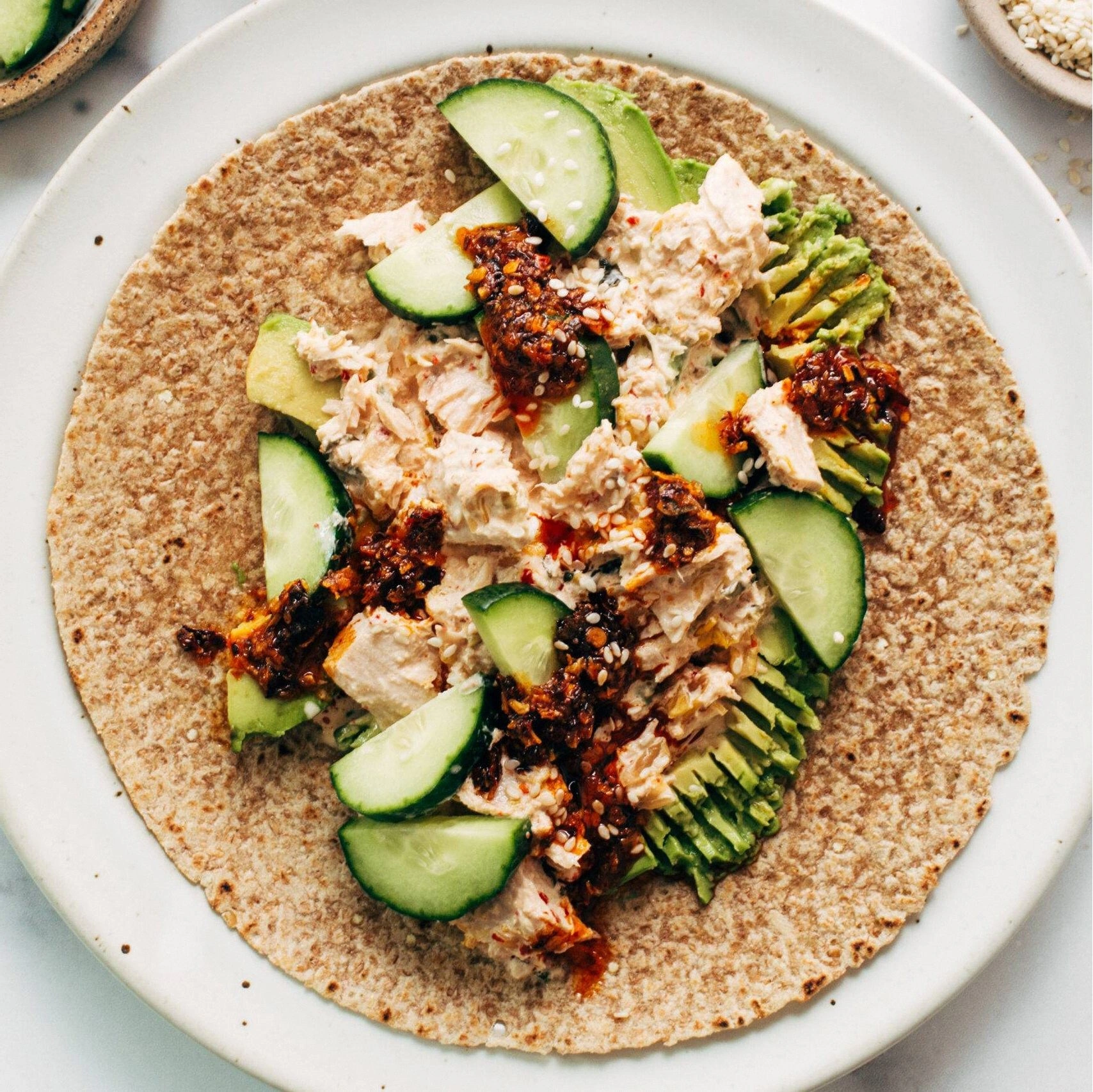
Lay each tortilla flat on a cutting board. Spread a thin layer of the tuna‑kimchi mixture down the center, leaving about 2 inches at each edge for folding. Top with shredded lettuce, green onions, and a sprinkle of toasted sesame seeds. The lettuce adds a cool crunch that juxtaposes the warm, spicy filling.
-
Fold the bottom edge up over the filling, then fold the sides inwards and roll tightly, like you’re tucking a burrito into a blanket. The roll should be snug but not squeezed; you want the ingredients to stay moist and the tortilla to hold its shape.
Kitchen Hack: Place a piece of parchment paper under the tortilla while rolling; it prevents sticking and makes cleanup a breeze. -
Once all four wraps are assembled, slice each diagonally in half. The cross‑section reveals the vibrant layers: pink kimchi flecks, creamy tuna, and bright green onions. Arrange them on a platter, seam side down, for an Instagram‑ready presentation.
-
Serve immediately with a side of soy‑ginger dipping sauce or a simple drizzle of extra sesame oil. If you’re serving later, cover the platter with foil and store in the fridge; the flavors will continue to meld, becoming even more harmonious.
That's it — you did it. But hold on, I've got a few more tricks that'll take this to another level…
Insider Tricks for Flawless Results
The Temperature Rule Nobody Follows
Always let the tuna come to room temperature before mixing. Cold tuna can cause the mayo to seize up, creating a grainy texture. I once tried to skip this step, and the result was a clumpy mess that felt like biting into a cold, soggy pancake. Letting it sit for 10 minutes smooths everything out.
Why Your Nose Knows Best
When sautéing the kimchi, trust the aroma. If you smell a sweet, caramelized scent, you’re golden; if it starts to smell burnt, lower the heat immediately. The nose is a better thermometer than any kitchen gadget for this dish.
The 5‑Minute Rest That Changes Everything
After assembling the wraps, let them rest for five minutes before cutting. This short pause lets the tortilla absorb a hint of moisture from the filling, preventing it from tearing when you slice. It’s the same principle as letting a steak rest before carving.
Seal the Deal with a Light Toast
Give the finished wraps a quick flash on a hot grill pan for 30 seconds per side. The exterior turns lightly crisp, adding a buttery crunch that contrasts beautifully with the soft interior. Just watch them; you want a golden hue, not a burnt edge.
DIY Crunch Factor
Mix a tablespoon of crushed rice crackers into the tuna mixture for an unexpected crunch. It’s like adding a surprise drum solo in a smooth jazz piece — the texture upgrade is instantly noticeable.
Balancing the Heat
If your kimchi is extra fiery, stir in a dollop of plain Greek yogurt before filling the wraps. The coolness mellows the heat without muting the flavor, much like adding a splash of milk to a spicy curry.
Creative Twists and Variations
This recipe is a playground. Here are some of my favorite ways to switch things up:
Spicy Sriracha Kick
Stir in a tablespoon of sriracha into the mayo before mixing with tuna. The extra heat deepens the flavor profile, perfect for those who love a fiery punch.
Avocado Creaminess
Swap half of the mayo for mashed ripe avocado. The green, buttery texture adds a fresh dimension and reduces the overall calorie count without sacrificing richness.
Asian Slaw Fusion
Include a handful of shredded red cabbage and carrot slaw dressed in rice vinegar and a pinch of sugar. This adds crunch and a pop of color that makes the wrap visually stunning.
Vegan Version
Replace tuna with marinated tempeh cubes and use a vegan mayo. The umami from soy sauce and the fermented notes of kimchi keep the dish satisfying for plant‑based eaters.
Wrap It in Nori
Swap the flour tortilla for a sheet of nori seaweed. The salty oceanic flavor pairs beautifully with the kimchi, turning the dish into a sushi‑inspired handheld.
Storing and Bringing It Back to Life
Fridge Storage
Place the assembled wraps in an airtight container lined with parchment paper. They’ll stay fresh for up to 2 days. Keep the dipping sauce in a separate small jar to avoid sogginess.
Freezer Friendly
Wrap each tortilla tightly in plastic wrap, then place them in a freezer‑safe bag. They freeze well for up to 1 month. Thaw overnight in the fridge, then give them a quick 30‑second heat in the microwave before serving.
Best Reheating Method
To revive the texture, sprinkle a tiny splash of water over the wrap, cover with a damp paper towel, and microwave for 45 seconds. The steam brings back the softness, while a quick sear in a hot pan restores the crisp edge.